



Email marketing and social media are powerful tools in medical affiliate marketing for building trust, engaging audiences, and driving conversions. By segmenting email lists, using educational drip campaigns, and sharing valuable content on social platforms, affiliates can nurture strong relationships. Influencer collaborations further expand reach when done transparently. Performance tracking through analytics, A/B testing, and conversion monitoring helps optimize strategies and scale growth. Long-term success depends on maintaining ethical standards, regulatory compliance, and audience trust while continuously improving content and marketing efforts.
Understanding the Foundations of Medical Affiliate Marketing
Medical affiliate marketing involves partnering with healthcare companies—ranging from supplement manufacturers to telemedicine providers—to earn a commission for referrals that convert into leads or sales. Unlike general consumer niches, the medical vertical demands heightened attention to accuracy, ethical communication, and privacy regulations. In today’s environment, affiliates must not only understand product benefits but also interpret clinical data responsibly, ensuring every claim is backed by credible evidence.
Defining the Model
At its core, this affiliate framework requires affiliates to publish content that educates potential customers about medical offerings. When visitors click affiliate links and complete a desired action—such as signing up for a subscription service or purchasing a medical device—affiliates receive compensation. Common commission structures range from percentage-based payouts (5–30%) to fixed fees per lead, highly dependent on the product’s price point and industry margins.
Key Compliance Requirements
Any content creator in 2026 must adhere to regulations such as HIPAA for U.S. patient privacy, GDPR for European Union data protection, and FDA guidelines for health claims. Affiliates should avoid unverified statements and always cite reputable sources, like clinical trials or peer-reviewed studies. For instance, the World Health Organization (WHO) and the National Institutes of Health (NIH) offer authoritative information that can bolster your content’s credibility.
Selecting Affiliate Networks
Leading platforms such as ShareASale, Impact, Awin, and niche health networks provide access to a variety of medical partners. Evaluate networks based on their compliance training, reporting transparency, and the diversity of medical categories they cover. A well-structured network will offer tools such as customizable creatives, real-time dashboards, and in-depth promotional guides to help you navigate strict regulatory landscapes.
Key Advantages of Medical Affiliate Marketing
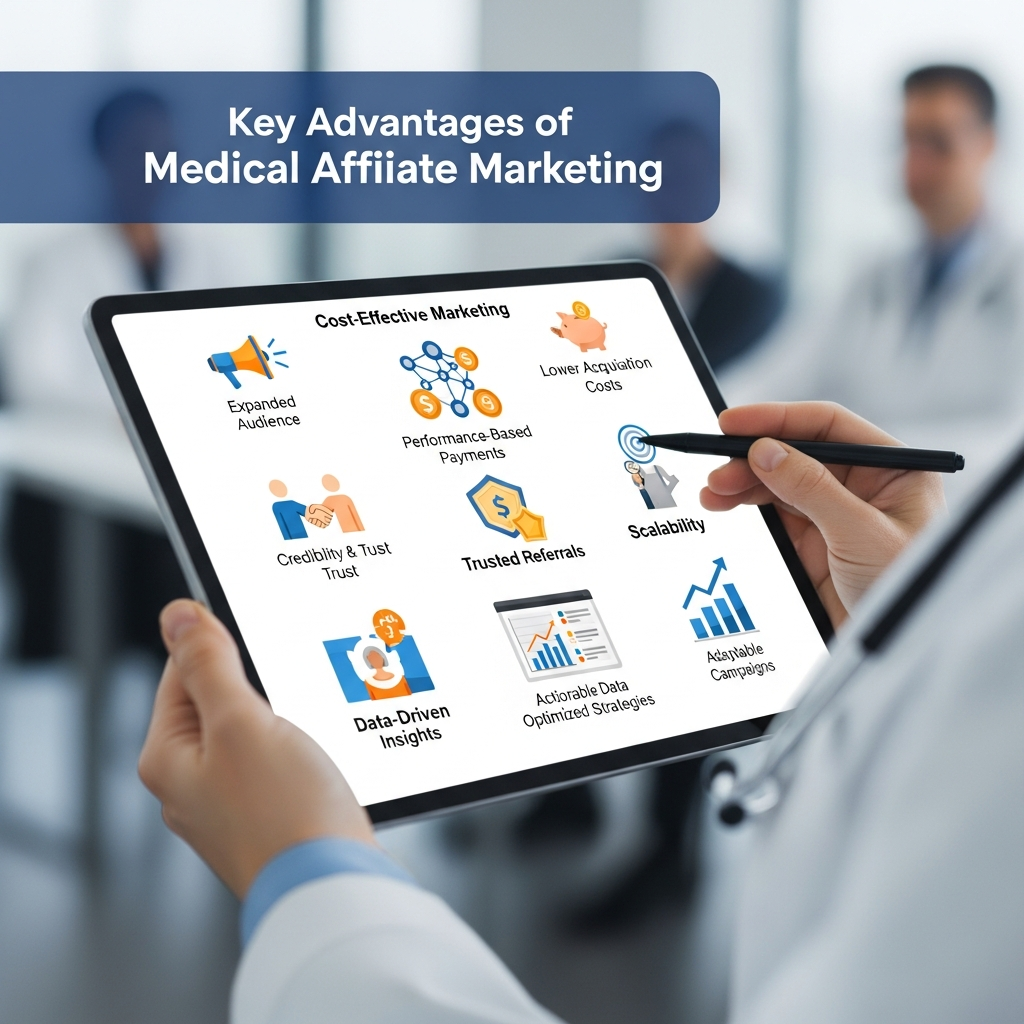 Medical affiliate marketing offers distinct benefits that differentiate it from other affiliate verticals. High average order values, subscription-based commissions, and evergreen demand combine to create a revenue model with substantial earning potential. As consumer focus on health and wellness intensifies, affiliates who communicate trust and expertise can establish long-term relationships with their audiences.
High-Value Conversions
Medical products like diagnostic devices or specialized supplements often carry premium price tags, resulting in higher commissions per sale. For example, an advanced telehealth subscription might pay between $50 and $150 for each new sign-up, whereas a monthly supplement subscription can yield recurring income each billing cycle. These high-ticket items make your promotional efforts more rewarding, especially when you secure a loyal customer base.
Recurring Revenue Streams
Unlike one-time purchases, services such as telemedicine platforms and supplement refill programs offer ongoing subscriptions. Affiliates can capitalize on this by creating content focused on product longevity, refill reminders, and annual health check-in guides. A steady stream of commissions from renewals provides predictable cash flow that helps you plan reinvestment in marketing and content creation.
Ever-Present Demand
Healthcare needs do not adhere to seasonal patterns in the same manner as fashion or travel. Conditions such as chronic pain management, mental health support, and preventive nutrition maintain consistent interest year-round. That evergreen demand allows affiliates to cultivate a stable audience, reducing revenue volatility and increasing lifetime customer value.
How to Choose High-Quality Medical Affiliate Programs
Selecting the right affiliate programs is critical to long-term success in medical affiliate marketing. With countless options available, affiliates must vet offers meticulously to ensure alignment with their brand, audience expectations, and legal requirements. A program that meets high standards in reputation, commission, and support can significantly accelerate revenue growth.
Evaluating Commission Structures
Start by comparing flat-rate payouts versus percentage-based commissions. High-end medical devices may offer a lower percentage but represent substantial dollar values, while digital health services often pay a generous flat fee for each qualified lead. Aim for programs that balance attractive rates with the potential for upsells or cross-sells, enabling you to maximize earnings from a single user journey.
Assessing Cookie Duration and Attribution
Longer cookie windows (30–90 days) increase the likelihood that affiliates will be credited for conversions, especially when healthcare decisions often involve research and consultation. Always confirm the attribution model—whether first-touch, last-touch, or a hybrid—so you understand how referrals are tracked and credited. This knowledge guides your marketing tactics and ensures you optimize content for maximum influence.
Reviewing Brand Reputation and Compliance
Affiliates must partner exclusively with medical brands that demonstrate clinical validation, transparent data practices, and positive user feedback. Consult resources like the U.S. Food & Drug Administration (FDA) for product approvals and labeling requirements. Scrutinize privacy policies and ensure any claims made by the program adhere to local regulations to protect your audience and your reputation.
Support and Marketing Resources
Top-tier medical programs equip affiliates with pre-approved content, banner ads, product images, and dedicated managers who clarify compliance questions. These assets boost productivity, reduce time spent on approvals, and help maintain consistent brand messaging. Additionally, affiliate portals that offer real-time performance data and creative testing tools empower you to refine your campaigns continuously.
Creating Trustworthy and Compliant Content
 High-quality content serves as the foundation of any successful medical affiliate marketing strategy. In an environment where misinformation can compromise health outcomes, affiliate marketers bear the responsibility of delivering accurate, well-researched information. By adopting a transparent, educational approach, you can build credibility and foster lasting audience trust.
In-Depth Product Reviews
Comprehensive reviews are essential for readers making informed health decisions. Cover product benefits, potential side effects, manufacturing processes, and clinical evidence. Include visible affiliate disclosures—”As an affiliate, I earn commissions on qualifying purchases”—at the top of each review. This transparency not only meets FTC guidelines but also demonstrates integrity, enhancing reader loyalty.
Comparison and Buyer’s Guides
Comparison tables and side-by-side charts help users quickly identify differences in efficacy, price, and scientific validation. Use clear headings and bullet points to outline criteria such as dosage, delivery format, and regulatory approvals. Linking each product name to a detailed review page boosts internal linking structure and keeps visitors engaged on your site longer.
Educational and Evergreen Articles
Evergreen content—articles that remain relevant over time—drives sustained organic traffic. Topics like “How Telemedicine Works” or “Understanding Probiotic Strains” can position you as an authority in the niche. Embed affiliate links where appropriate, but ensure the primary focus remains on delivering value. Cite studies from reputable institutions like the CDC to reinforce your points.
Patient Stories and Case Studies
Real-world examples humanize technical information and illustrate product effectiveness. Share anonymized anecdotes or data-driven case studies while adhering strictly to HIPAA guidelines. Replace personal identifiers with generalized descriptions—”A 45-year-old patient reported a 40% reduction in joint pain after eight weeks”—to maintain compliance.
 Well-structured content improves both SEO performance and user experience in medical affiliate marketing.
FAQ
Medical affiliate marketing presents a unique opportunity to generate substantial income by combining healthcare knowledge with proven digital marketing techniques. In 2026, success hinges on selecting reputable programs, producing high-quality, compliant content, and leveraging robust SEO and traffic strategies. By prioritizing transparency, ethical communication, and data-driven optimization, affiliates can build a trusted brand that resonates with health-conscious audiences.
Start by evaluating affiliate partners against strict compliance criteria, crafting in-depth reviews and educational articles, and optimizing every element of your site for search engines. Integrate email and social media channels to nurture relationships, and continually analyze performance to refine your approach. With dedication and the strategies outlined here, you’re well-equipped to excel in medical affiliate marketing and achieve sustainable growth today.
