


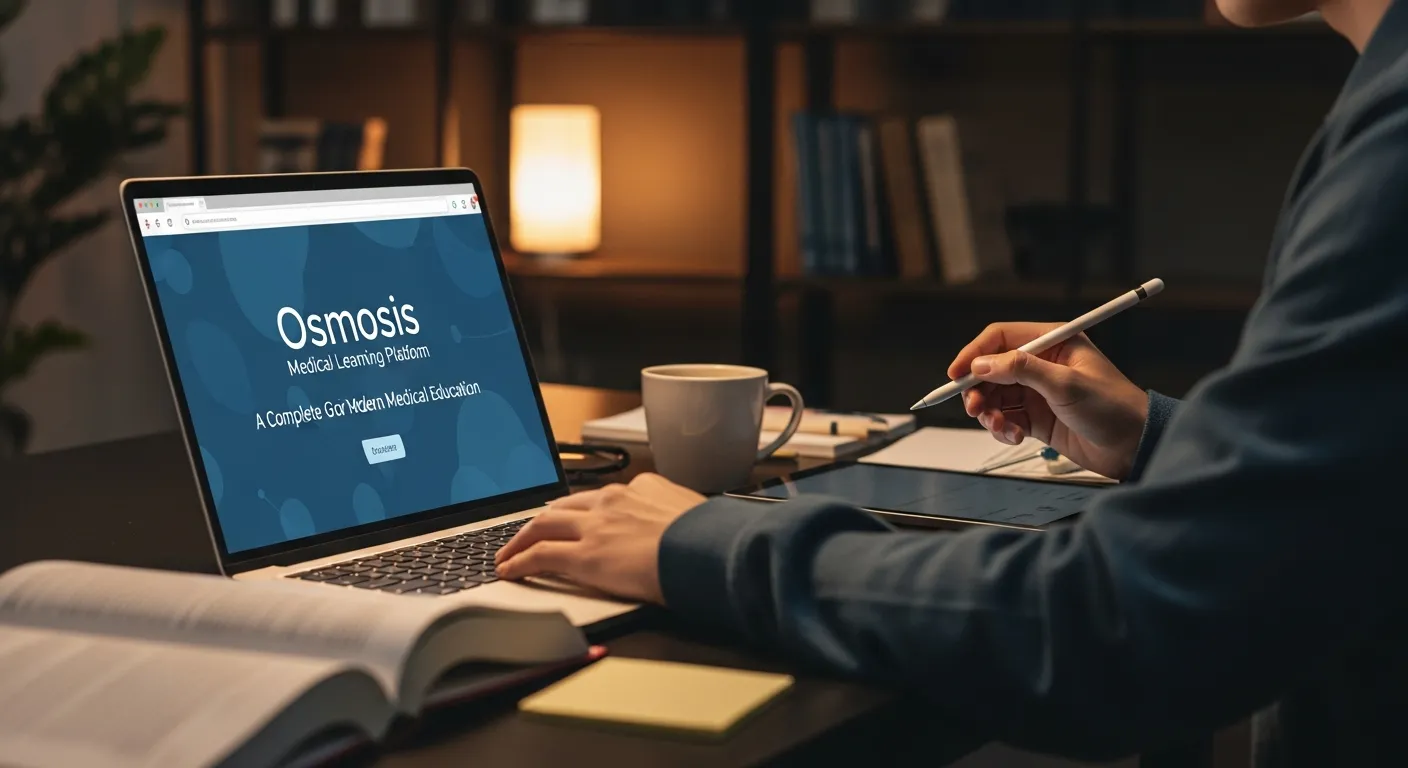
Learn how the Osmosis Medical Learning Platform transforms medical education through engaging videos, personalized study plans, practice questions, and evidence-based resources that help students, residents, and healthcare professionals improve knowledge retention and exam performance.
Medical education has evolved significantly in recent years, with digital learning tools becoming an essential part of healthcare training. While textbooks and classroom lectures remain valuable, students increasingly rely on online platforms to understand complex medical concepts more efficiently. Among these solutions, the Osmosis Medical Learning Platform has gained recognition as a trusted resource for medical students, nursing students, and healthcare professionals.
The growing demands of medical education require learners to absorb large amounts of information while balancing coursework, clinical rotations, and exam preparation. The Osmosis Medical Learning Platform addresses these challenges by combining engaging video lessons, personalized study schedules, practice questions, and evidence-based content in one convenient platform. Its visual and interactive approach helps simplify difficult topics and improve long-term knowledge retention.
This guide explores the key features, benefits, and practical applications of the Osmosis Medical Learning Platform. Whether you are preparing for exams, strengthening clinical knowledge, or pursuing continuing medical education, understanding how this platform works can help you make the most of your learning experience.
What Is the Osmosis Medical Learning Platform?
The Osmosis Medical Learning Platform is an online educational platform designed specifically for medical students, nursing students, physician assistant students, healthcare professionals, and educators. The platform provides comprehensive learning resources covering anatomy, physiology, pathology, pharmacology, clinical medicine, and numerous healthcare specialties.
Unlike traditional educational resources, the platform uses visual storytelling, concise explanations, and interactive learning techniques to simplify difficult medical concepts. Its content is designed to improve comprehension while enhancing long-term retention.
The platform’s educational philosophy centers around active learning. Rather than simply presenting information, it encourages learners to engage with content through videos, quizzes, flashcards, and practice questions.
One of the platform’s standout features is its ability to break down complex medical subjects into short, easy-to-understand lessons. Medical education often involves mastering large volumes of information, and Osmosis helps make that process more manageable through visually engaging content and structured learning pathways. This approach allows students to learn more efficiently while reducing the stress associated with dense medical coursework.
The Osmosis Medical Learning Platform also supports personalized learning by helping users create study schedules based on their academic goals and examination timelines. Whether preparing for medical school exams, nursing certifications, board examinations, or clinical assessments, learners can organize their studies more effectively and track their progress over time.
Another key advantage is accessibility. Because the platform is available online, users can access educational content from computers, tablets, and smartphones. This flexibility enables learners to study wherever and whenever it is most convenient, making it easier to maintain consistent study habits and maximize learning opportunities.
By combining evidence-based educational content, interactive learning tools, and flexible study options, the Osmosis Medical Learning Platform has become a valuable resource for modern healthcare education. It helps students build strong foundational knowledge while supporting the critical thinking and clinical understanding needed for future healthcare careers.
Students interested in broader digital learning solutions can also explore related resources on the Clinical Channel, including the Online Medical Learning Platform.
The Evolution of Digital Medical Education
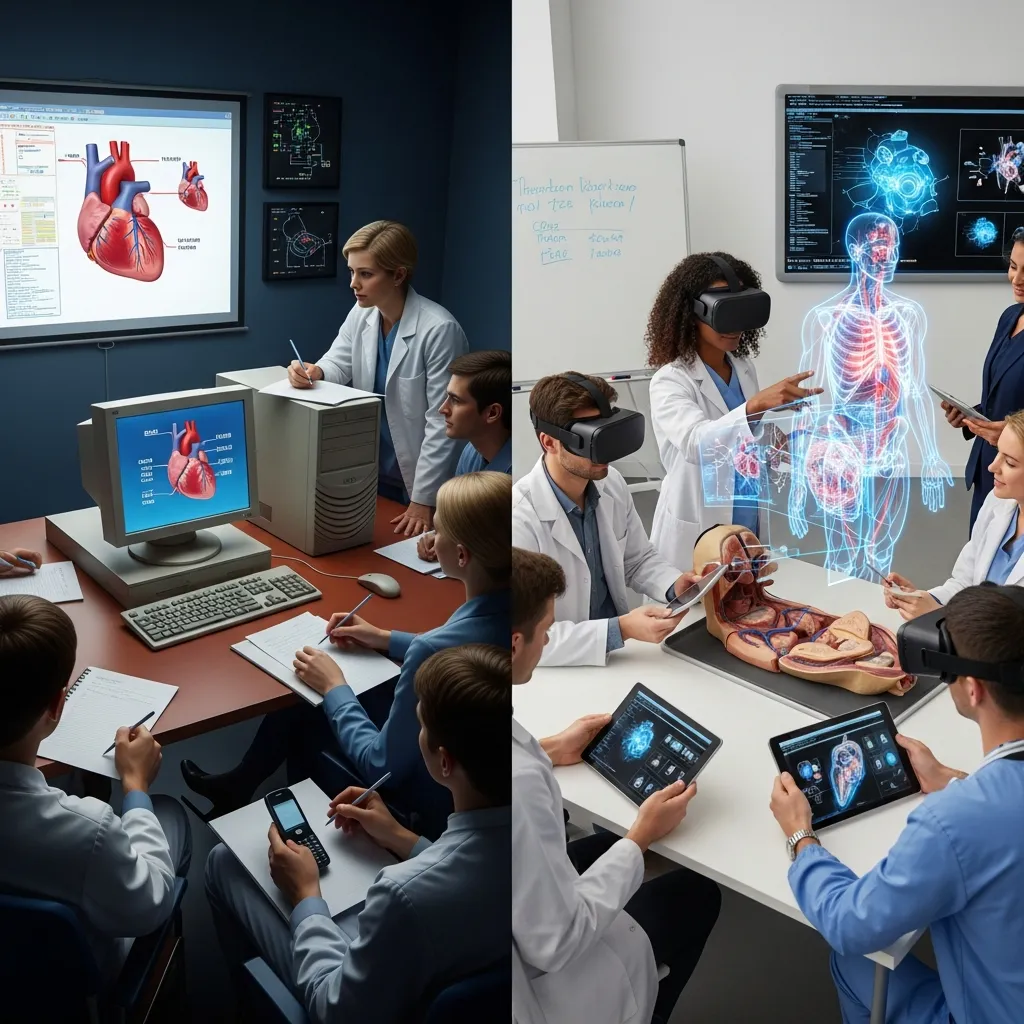 Medical education has evolved significantly due to technological innovation. Previously, students relied heavily on textbooks, lecture notes, and classroom instruction. While these methods remain valuable, they often struggle to meet the needs of today’s fast-paced learners, who require flexible and efficient ways to absorb large amounts of medical information.
The rise of digital platforms has introduced:
- On-demand learning
- Mobile accessibility
- Personalized study plans
- Interactive assessments
- Multimedia content delivery
- Adaptive learning technologies
These advancements have transformed how students access, understand, and retain medical knowledge. Instead of being limited to classroom schedules, learners can now study anytime and anywhere using laptops, tablets, and smartphones. This flexibility is especially beneficial for medical and nursing students who often balance demanding academic workloads with clinical responsibilities.
Digital medical education also enhances engagement through videos, animations, quizzes, and virtual learning tools. Complex concepts that may be difficult to understand through textbooks alone can be explained visually, helping learners grasp information more quickly and effectively. Interactive assessments provide immediate feedback, allowing students to identify weaknesses and focus their efforts where improvement is needed.
Another major development is the use of personalized learning experiences. Modern educational platforms can adapt study recommendations based on a learner’s progress, goals, and performance. This targeted approach helps improve efficiency and ensures students spend more time on topics that require additional attention.
The Osmosis Medical Learning Platform represents this new generation of educational technology by integrating multiple learning methods into one cohesive system. By combining visual learning, active recall techniques, personalized study schedules, and evidence-based educational content, it offers a comprehensive solution for modern healthcare education. As digital learning continues to evolve, platforms like Osmosis are playing an increasingly important role in helping students and healthcare professionals succeed in an ever-changing medical landscape.For a broader understanding of digital healthcare education trends, readers may find value in reviewing: medical learning platform.
Key Features of the Osmosis Medical Learning Platform
High-Quality Educational Videos
One of the most popular aspects of the platform is its extensive video library. These videos use visual explanations, illustrations, animations, and storytelling techniques to simplify complex medical topics.
Subjects commonly covered include:
- Anatomy
- Physiology
- Pathology
- Pharmacology
- Microbiology
- Clinical medicine
- Public health
Visual learning helps students understand difficult concepts more effectively than text-only resources.
Personalized Study Scheduling
The platform creates customized study schedules based on individual goals, exam dates, and learning preferences.
Benefits include:
- Better time management
- Structured study plans
- Reduced academic stress
- Improved consistency
Students preparing for licensing exams often find this feature especially useful.
Question Banks and Assessments
Practice questions help learners evaluate their understanding and identify knowledge gaps.
Assessment tools typically provide:
- Immediate feedback
- Performance analytics
- Detailed explanations
- Progress tracking
These features encourage continuous improvement and reinforce learning outcomes.
Flashcards and Memory Reinforcement
The platform incorporates spaced repetition principles to improve long-term memory retention.
Advantages include:
- Better recall of medical facts
- Improved exam readiness
- Efficient revision sessions
- Enhanced knowledge retention
Mobile Learning Access
Modern healthcare students often study while commuting, during clinical rotations, or between classes.
Mobile accessibility allows users to:
- Learn anywhere
- Access content on demand
- Continue studying without interruption
- Maintain consistent learning habits
Educational Benefits for Medical Students

Improved Knowledge Retention
Research consistently shows that visual and interactive learning methods improve retention rates.
The Osmosis Medical Learning Platform combines:
- Visual learning
- Active recall
- Spaced repetition
- Assessment-driven reinforcement
These methods help students retain information longer and apply it more effectively in clinical settings.
Enhanced Understanding of Complex Topics
Medical education involves numerous challenging subjects.
Examples include:
- Cardiovascular physiology
- Endocrine disorders
- Neurological diseases
- Pharmacological mechanisms
The platform breaks these topics into manageable segments, making them easier to understand and remember.
Better Exam Preparation
Students preparing for:
- Medical school exams
- Nursing exams
- Board certifications
- Licensing examinations
can benefit from structured study materials and practice assessments.
Regular testing helps reinforce knowledge while reducing exam anxiety.
How Healthcare Professionals Use Osmosis
The platform is not limited to students. Healthcare professionals also use it for continuing education and clinical knowledge updates.
Applications include:
Continuing Medical Education
Medicine evolves rapidly, making lifelong learning essential.
Healthcare professionals can use the platform to:
- Review medical topics
- Refresh clinical knowledge
- Stay informed about best practices
- Support professional development
Clinical Skill Reinforcement
Practitioners may revisit foundational topics when:
- Changing specialties
- Returning to clinical practice
- Preparing for certification renewals
The platform provides accessible resources that support ongoing competency.
Integration with Evidence-Based Medicine
Evidence-based practice is a cornerstone of modern healthcare.
The Osmosis Medical Learning Platform aligns educational content with current scientific knowledge and clinical guidelines.
Healthcare learners often supplement platform content with trusted resources such as:
External Resource 1:
https://www.ncbi.nlm.nih.gov/
External Resource 2:
https://medlineplus.gov/
For additional information about medical literature and research databases, readers may also explore:
https://theclinicalchannel.link/pubmed-clinical-research/
Comparison with Traditional Learning Methods
Traditional Education
Advantages:
- Face-to-face interaction
- Structured curriculum
- Direct instructor guidance
Limitations:
- Limited flexibility
- Fixed schedules
- Variable accessibility
Osmosis Medical Learning Platform
Advantages:
- Flexible learning
- Self-paced education
- Interactive content
- Personalized schedules
- Mobile accessibility
Limitations:
- Requires self-discipline
- Internet dependency
- May supplement rather than replace formal education
Most learners achieve the best results by combining both approaches.
Supporting Different Learning Styles
Students learn differently. Some prefer reading, while others benefit from visual or auditory instruction.
The platform accommodates multiple learning preferences through:
Visual Learning
Animations, diagrams, and illustrations simplify difficult concepts.
Auditory Learning
Narrated explanations support listening-based learning.
Active Learning
Practice questions and quizzes promote engagement.
Self-Directed Learning
Personalized schedules allow learners to progress at their own pace.
This flexibility contributes significantly to the popularity of the Osmosis Medical Learning Platform.
Clinical Education and Real-World Applications
Medical education should connect theory with clinical practice.
The platform helps bridge this gap by presenting:
- Patient scenarios
- Clinical correlations
- Disease mechanisms
- Diagnostic reasoning
- Treatment principles
This approach improves clinical thinking and supports decision-making skills.
The Role of Technology in Healthcare Education
Technology continues reshaping healthcare training.
Emerging innovations include:
- Artificial intelligence
- Adaptive learning systems
- Virtual simulations
- Interactive case studies
- Learning analytics
The Osmosis Medical Learning Platform demonstrates how technology can improve educational efficiency while maintaining academic rigor.
Future developments will likely provide even greater personalization and engagement.
Advantages of Using the Osmosis Medical Learning Platform
Several factors contribute to the platform’s growing popularity.
Comprehensive Content Coverage
Students gain access to numerous medical specialties and healthcare disciplines.
Time Efficiency
Short, focused lessons maximize learning productivity.
Personalized Learning
Customized schedules support individual goals.
Better Engagement
Interactive elements increase learner participation.
Continuous Progress Tracking
Analytics help users monitor improvement and identify weak areas.
Potential Challenges and Considerations
Although highly beneficial, learners should consider a few factors.
Subscription Costs
Premium educational resources may require paid access.
Information Overload
Students should follow structured study plans to avoid becoming overwhelmed.
Dependence on Digital Learning
Balancing online education with clinical experience remains important.
The most effective learning strategies combine digital resources, practical training, and traditional study methods.
Best Practices for Maximizing Success
To get the most value from the Osmosis Medical Learning Platform, students should:
Create Clear Goals
Define objectives before beginning a study program.
Follow Consistent Schedules
Regular study sessions improve retention.
Use Active Recall
Practice retrieving information without relying on notes.
Complete Assessments
Quizzes help reinforce learning and reveal knowledge gaps.
Combine Multiple Resources
Supplement platform content with textbooks, research articles, and clinical experiences.
Review Regularly
Frequent revision strengthens long-term memory.
Why the Osmosis Medical Learning Platform Remains Popular
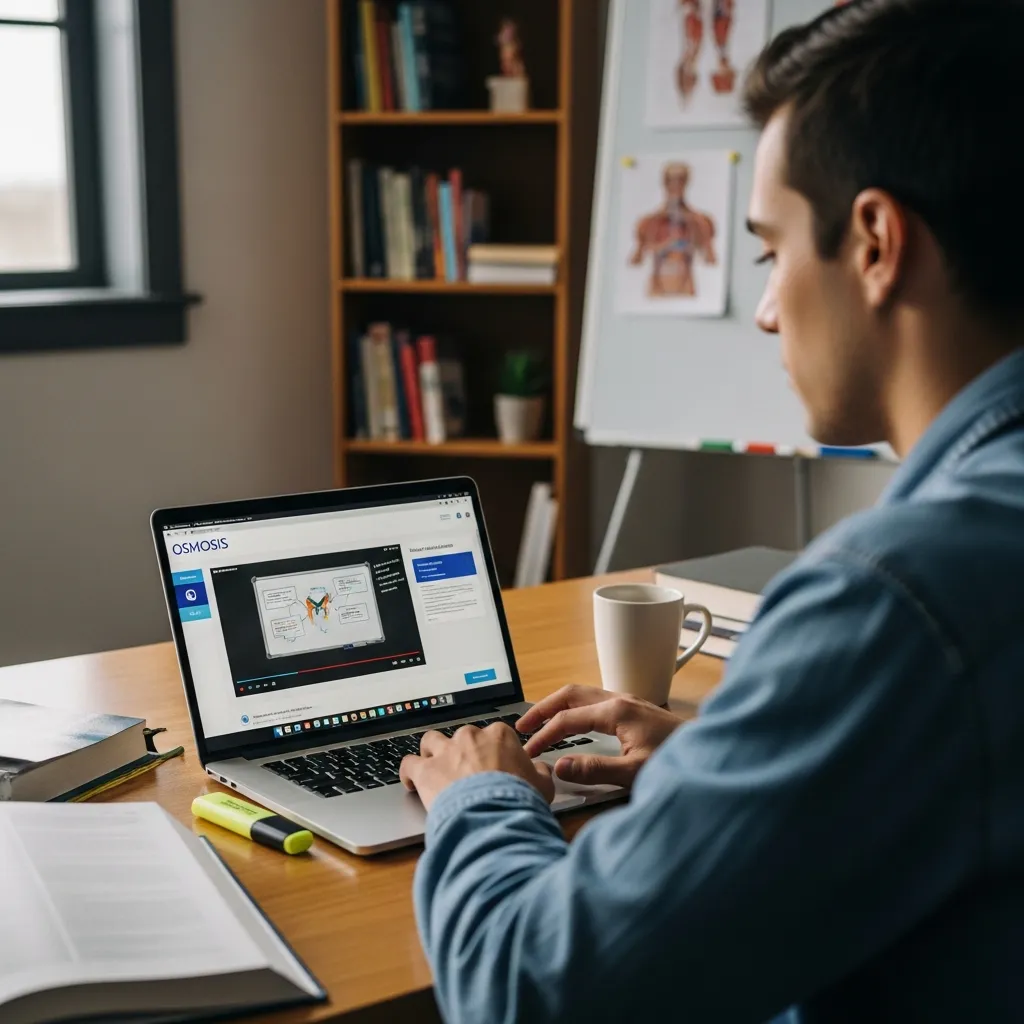 The healthcare education landscape continues to evolve, but the demand for efficient and engaging learning tools remains constant.
The Osmosis Medical Learning Platform stands out because it successfully combines:
- Visual learning
- Personalized education
- Clinical relevance
- Evidence-based content
- Flexible accessibility
These characteristics make it valuable for students, educators, and healthcare professionals alike.
As medical knowledge continues expanding, platforms that simplify learning while maintaining quality will play an increasingly important role in healthcare education.
Conclusion
The Osmosis Medical Learning Platform has become a leading solution for modern healthcare education by combining visual learning, personalized study plans, assessments, and evidence-based content into a single learning ecosystem. Its ability to simplify complex medical concepts while supporting long-term retention makes it valuable for medical students, nursing students, healthcare professionals, and educators. As digital education continues to evolve, the Osmosis Medical Learning Platform remains a powerful resource for improving academic performance, strengthening clinical understanding, and supporting lifelong learning in healthcare.
Frequently Asked Questions (FAQ)
1. What is the Osmosis Medical Learning Platform?
The Osmosis Medical Learning Platform is an online healthcare education platform that provides videos, quizzes, flashcards, study schedules, and learning resources for medical and healthcare students.
2. Who can benefit from the Osmosis Medical Learning Platform?
Medical students, nursing students, physician assistant students, healthcare professionals, educators, and lifelong learners can all benefit from the platform.
3. Is the Osmosis Medical Learning Platform suitable for exam preparation?
Yes. The platform includes practice questions, assessments, flashcards, and structured study plans that support exam preparation and knowledge retention.
4. How does Osmosis improve medical learning?
It uses visual explanations, active recall techniques, spaced repetition, and personalized learning strategies to enhance understanding and memory retention.
5. Can healthcare professionals use Osmosis for continuing education?
Yes. Many professionals use the platform to review medical topics, refresh clinical knowledge, and support ongoing professional development.
6. Does the Osmosis Medical Learning Platform cover multiple medical specialties?
Yes. It includes content related to anatomy, physiology, pathology, pharmacology, microbiology, clinical medicine, and many healthcare specialties.
7. Is Osmosis better than traditional textbooks?
Osmosis complements traditional textbooks rather than replacing them. Many students achieve the best results by using both resources together.
8. Can I access the Osmosis Medical Learning Platform on mobile devices?
Yes. The platform is designed for mobile accessibility, allowing learners to study from smartphones and tablets.
9. How does personalized learning work on Osmosis?
The platform creates customized study schedules based on individual goals, exam dates, and learning preferences to optimize learning efficiency.
10. Why is the Osmosis Medical Learning Platform popular among medical students?
Its engaging videos, flexible study options, evidence-based content, personalized scheduling, and exam-focused learning tools make it one of the most widely used medical education platforms available today.
