


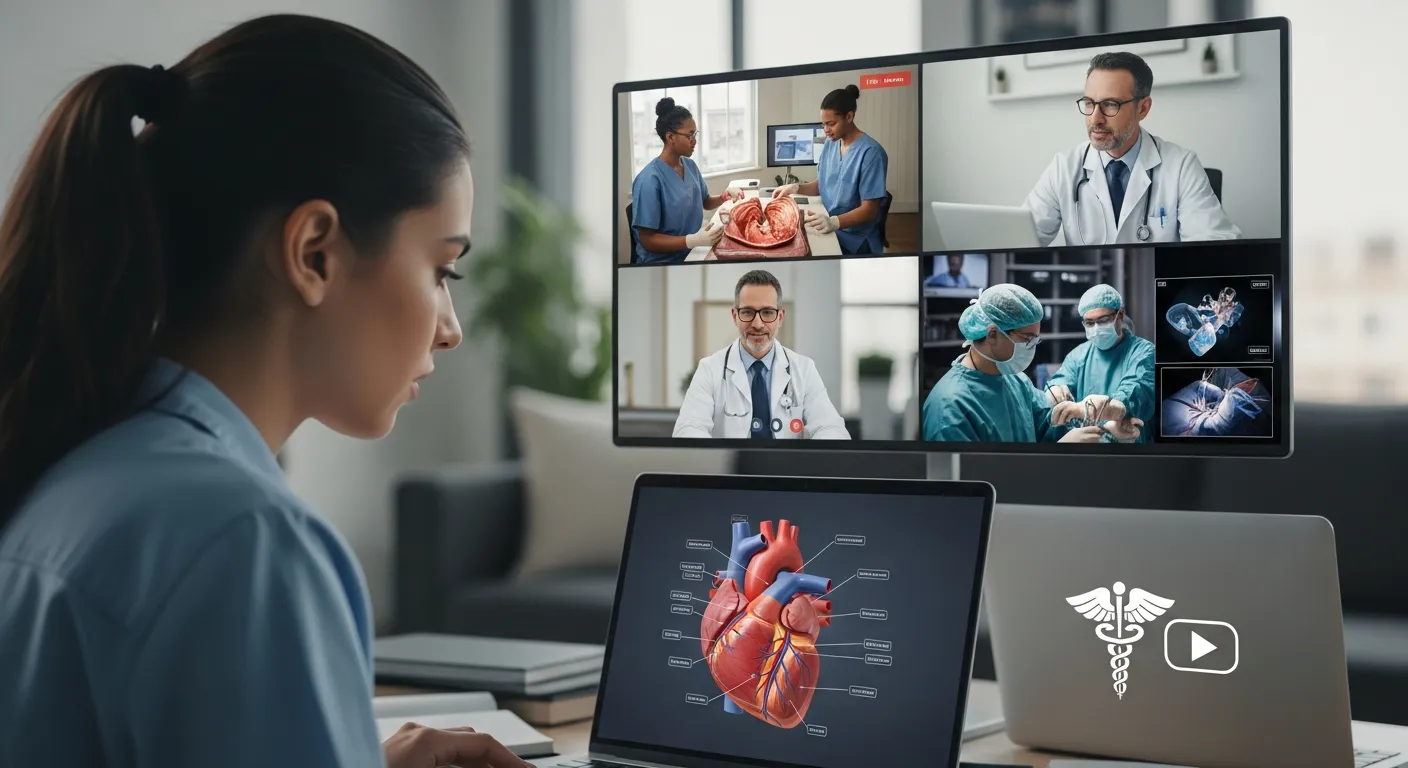
An online medical learning platform provides digital access to healthcare education, training, and resources for students and professionals. It supports flexible learning, updated medical knowledge, and skill development in areas like diagnosis, treatment, and patient care.
An online medical learning platform is a digital ecosystem that centralizes courses, clinical simulations, and peer-reviewed medical data. These platforms improve clinical training by offering healthcare professionals on-demand access to continuing medical education, interactive case studies, and advanced clinical decision support tools.
Medical education demands constant adaptation. Healthcare professionals must continually update their clinical knowledge to keep pace with rapid scientific advancements, new drug approvals, and evolving treatment guidelines. Relying on outdated textbooks or scattered physical journals cannot meet the demands of modern medicine. Doctors, nurses, and clinical staff require immediate, reliable access to validated information right at the point of care.
This ongoing necessity has driven the rapid adoption of digital training environments. An online medical learning platform brings together vast libraries of peer-reviewed research, interactive diagnostic tools, and continuing education modules into one unified interface. These systems allow medical practitioners to search for complex conditions quickly, review the latest treatment protocols, and confidently apply updated knowledge directly to patient care.
Beyond simple information access, an online medical learning platform enhances clinical decision-making through AI-powered insights, virtual simulations, and case-based learning. By utilizing these comprehensive digital environments, healthcare organizations ensure their staff remain highly competent, up-to-date, and confident in delivering quality care. This post covers the core benefits, essential features, and transformative impacts of integrating a digital learning platform into daily medical practice.
Every medical professional has different educational needs based on their specialty, experience level, and career goals. Advanced algorithms within an online medical learning platform evaluate a user’s performance and clinical interests to create customized learning trajectories. If a clinician frequently accesses PubMed clinical research regarding cardiovascular diseases, the platform will proactively suggest advanced cardiology modules. This targeted approach ensures that learners spend their time acquiring relevant, practical skills rather than reviewing concepts they have already mastered.
Why is an online medical learning platform cost-effective for institutions?
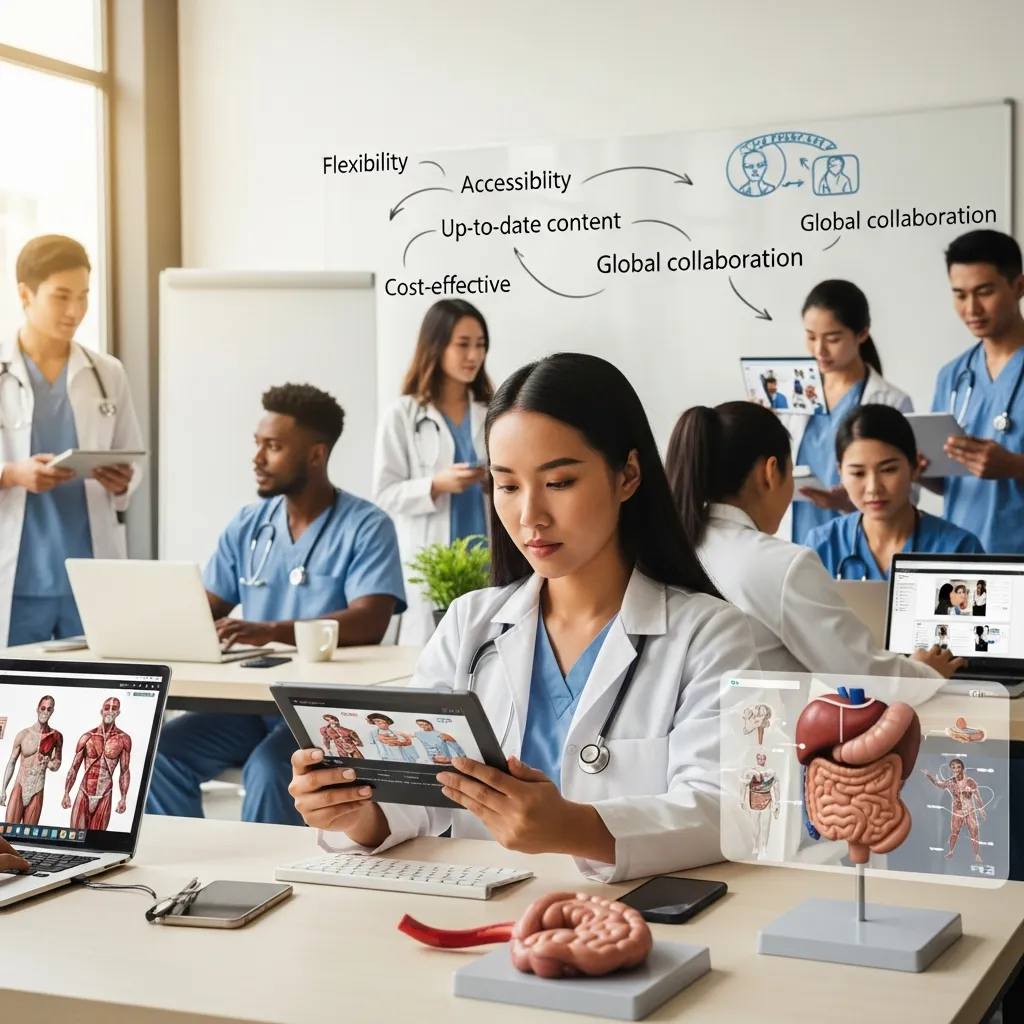
Traditional medical training requires significant financial investments in physical infrastructure, travel expenses, and printed materials. Transitioning to an online medical learning platform drastically reduces these overhead costs. Hospitals and medical schools can deploy uniform training modules to thousands of users simultaneously without renting lecture halls or hiring external speakers for every session. According to data from the National Institutes of Health (NIH), digital education models present a sustainable financial path for institutions aiming to provide equitable access to medical resources.
How does continuous professional development benefit from digital platforms?
Medical licenses and board certifications require ongoing proof of competency. An online medical learning platform automatically tracks a user’s progress, issuing certificates upon course completion and logging CME credits securely. This automated tracking eliminates administrative burdens for both the learner and the institution. Furthermore, integrating a broad clinical knowledge base ensures that clinicians always learn from the most current, evidence-based guidelines, directly translating their professional development into safer patient care.
What key features define a top-tier online medical learning platform?
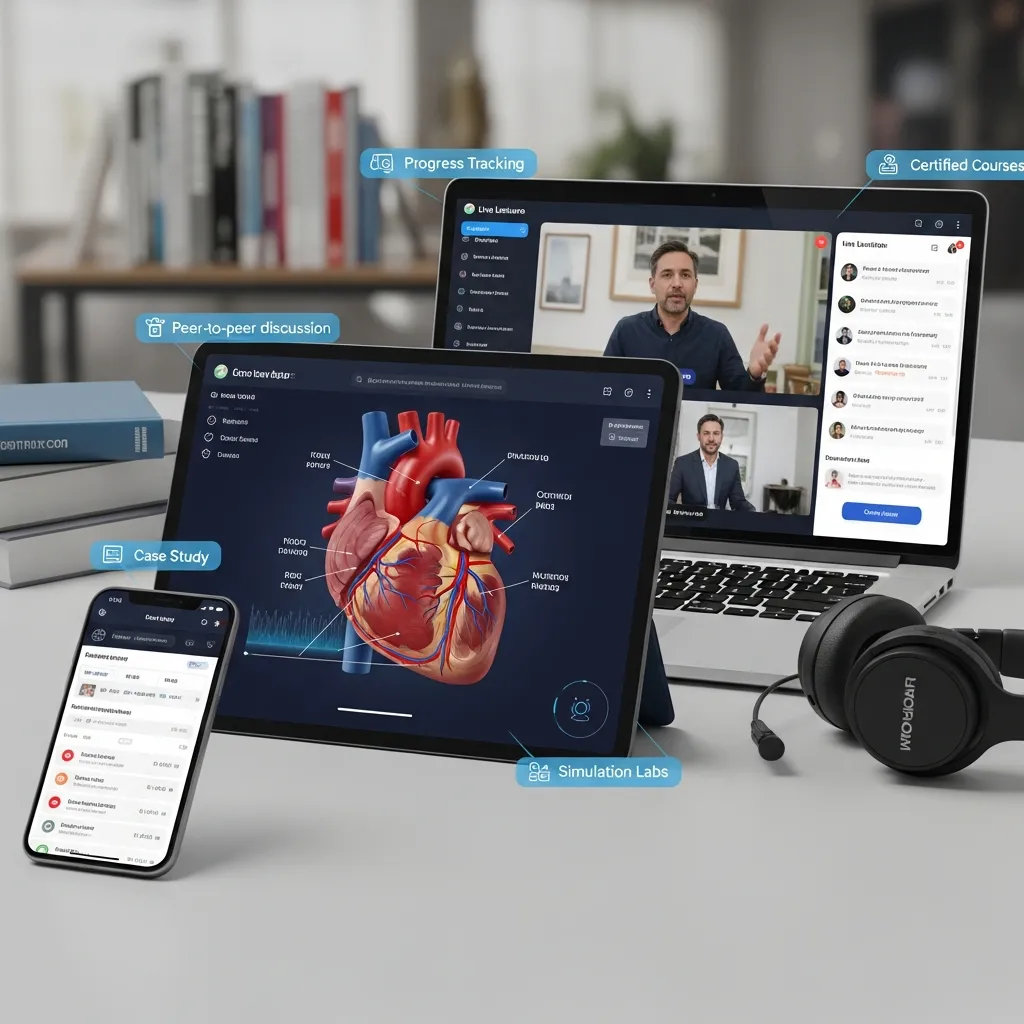 Selecting the right educational software requires a careful evaluation of its capabilities. Administrators and educators must prioritize specific features that align with rigorous academic standards and clinical workflows. Choose a robust online medical learning platform if comprehensive tracking and interactive simulations matter more to your organization than basic video hosting.
How does a comprehensive course catalog support diverse specialties?
A high-quality online medical learning platform must offer an extensive library of courses covering every major medical discipline. From introductory anatomy for first-year medical students to highly specialized oncology protocols for attending physicians, the content must be diverse and deep. The platform should categorize modules logically, allowing users to filter content by specialty, difficulty level, and required CME credits.
How do interactive learning tools build clinical competence?
Passive reading is insufficient for mastering complex medical procedures. The best platforms incorporate interactive learning tools such as virtual patient simulations, high-resolution anatomical models, and branching case studies. These tools force learners to make diagnostic choices and prescribe treatments in a risk-free digital environment. If a student administers an incorrect medication dosage during a simulation, the online medical learning platform instantly provides corrective feedback and references established clinical decision support guidelines to reinforce safe practices.
Why are expert instructors and peer learning communities essential?
Medical education thrives on collaboration and mentorship. An effective online medical learning platform features lectures and seminars led by recognized experts in their respective fields. Additionally, the software should facilitate peer-to-peer interaction through discussion forums, secure messaging, and collaborative group assignments. This connectivity allows clinicians from different geographic regions to debate complex cases, share clinical experiences, and build professional networks that extend beyond their local institutions.
Why must an online medical platform offer accreditation and certification?
For a learning management system to hold professional value, recognized medical boards must accredit its courses. When a professional completes a module on an online medical learning platform, they need assurance that the earned credits will apply toward their official license renewal. Platforms must partner with authoritative bodies to ensure their content meets strict regulatory standards and delivers verifiable academic value.
How do mobile accessibility and offline learning ensure uninterrupted education?
Clinicians do not always have access to a reliable internet connection, especially those working in remote areas or deep within hospital infrastructure. An elite online medical learning platform provides a dedicated mobile application that allows users to download course materials, videos, and reading assignments for offline viewing. This functionality ensures that learning remains uninterrupted, allowing users to study during commutes or travel.
How are online medical learning platforms transforming medical training?
The integration of digital education tools marks a fundamental shift in how healthcare professionals acquire and apply knowledge. This transformation extends beyond convenience, directly impacting patient outcomes and global healthcare equity.
When institutions adopt an online medical learning platform, they standardise the quality of education across all departments. Administrators can quickly distribute updated protocols regarding infection control or new medical devices, ensuring every staff member receives identical, accurate information. This uniformity reduces clinical errors and enhances overall patient safety. Organizations seeking to streamline their training further often look toward medical learning platforms that integrate directly into their existing hospital management systems.
Furthermore, an online medical learning platform democratizes medical education on a global scale. Medical students and professionals in developing nations gain access to the exact same lectures, simulations, and peer-reviewed research as those attending prestigious universities. Public health organizations, including the Centers for Disease Control and Prevention (CDC), recognize the power of digital platforms to rapidly disseminate critical health information during global medical crises. By removing geographical and financial barriers, digital education builds a more competent, connected, and capable global healthcare workforce.
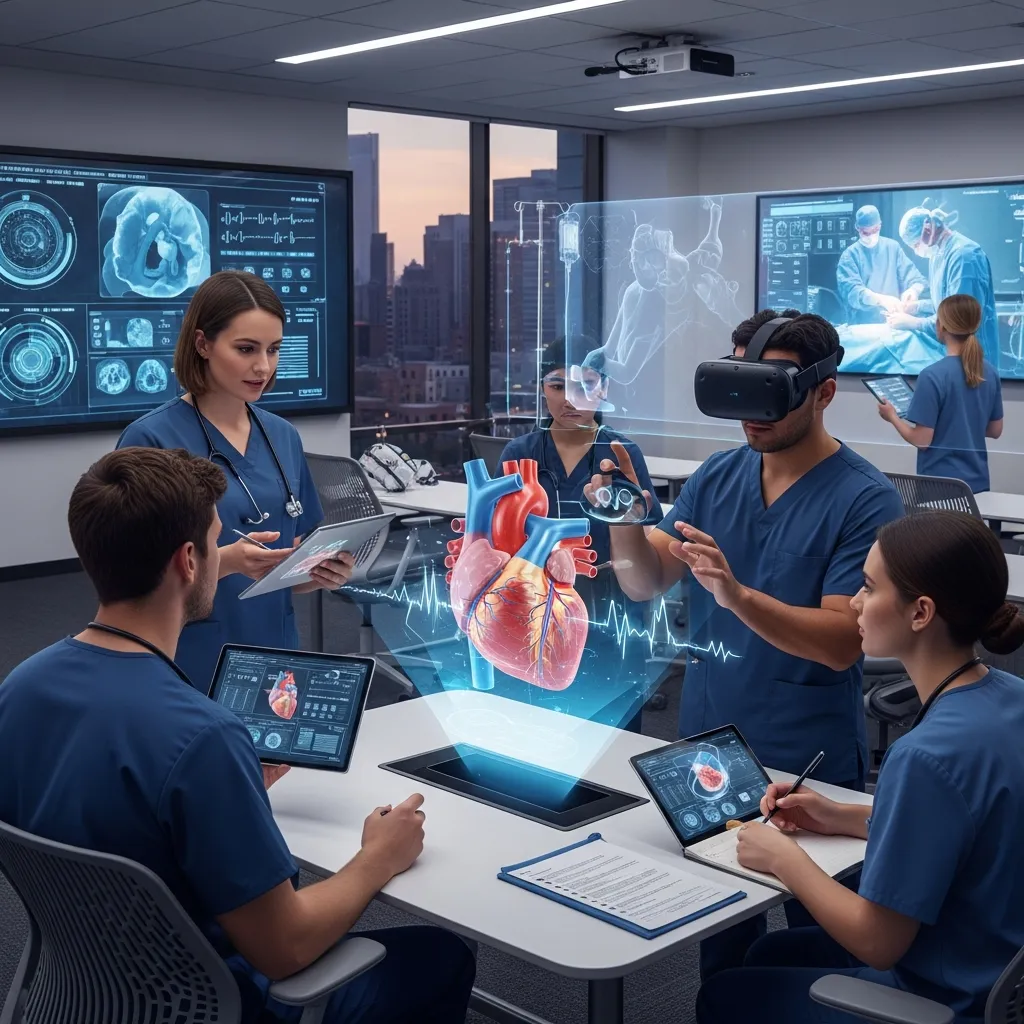
An online medical learning platform plays a vital role in modern healthcare education by making high-quality medical knowledge more accessible, flexible, and efficient. It supports continuous professional development by offering updated content, interactive learning tools, and accredited certifications such as CME credits. These platforms help bridge the gap between theory and clinical practice, enabling healthcare professionals to improve diagnostic accuracy, treatment outcomes, and patient care standards.
By reducing training costs, eliminating geographical barriers, and providing on-demand access to learning resources, online medical platforms have become essential tools for both individual practitioners and healthcare institutions. As medical science continues to evolve, these platforms ensure that healthcare professionals remain up to date, skilled, and well-prepared to meet real-world clinical challenges.
