


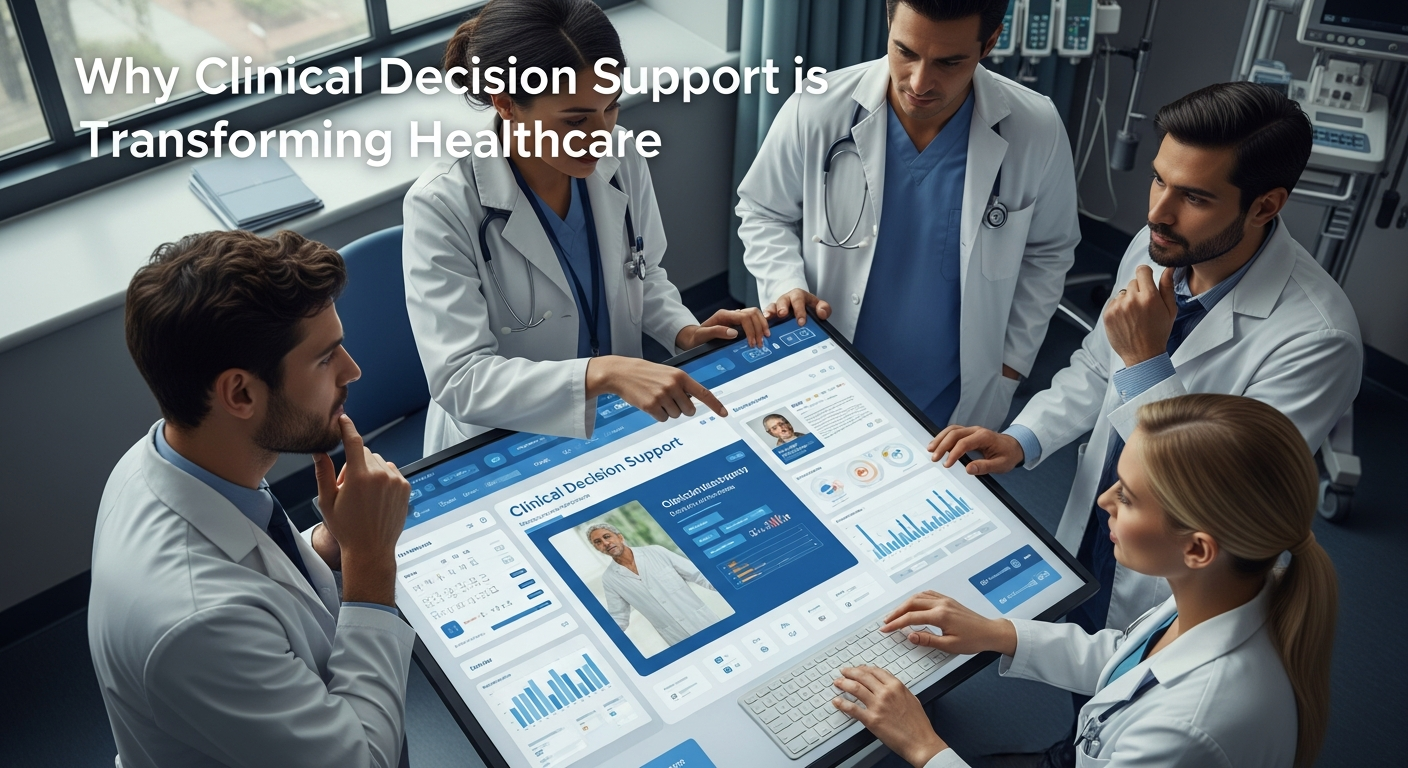
Clinical decision support knowledge base is a medical information system that helps healthcare professionals make accurate clinical decisions. It provides guidelines, evidence-based data, and patient insights to improve diagnosis, treatment planning, and overall healthcare quality and safety.
The Evolution of Clinical Decision Support Systems (CDSS)
The concept of assisting doctors with data is not entirely new. Decades ago, clinical decision support existed in the form of physical reference manuals, printed dosing charts, and hospital policy binders. Physicians relied on their memory and these static resources to make diagnoses and prescribe treatments. However, as medical knowledge began to expand exponentially, it became clear that paper-based systems could no longer keep up with the pace of modern science.
In the late 20th century, early computerized systems emerged. These primitive programs were mostly standalone databases that required doctors to manually input patient symptoms to receive a list of potential diagnoses. While groundbreaking at the time, they were clunky, time-consuming, and disconnected from the patient’s actual medical record. They served more as digital textbooks than active assistants.
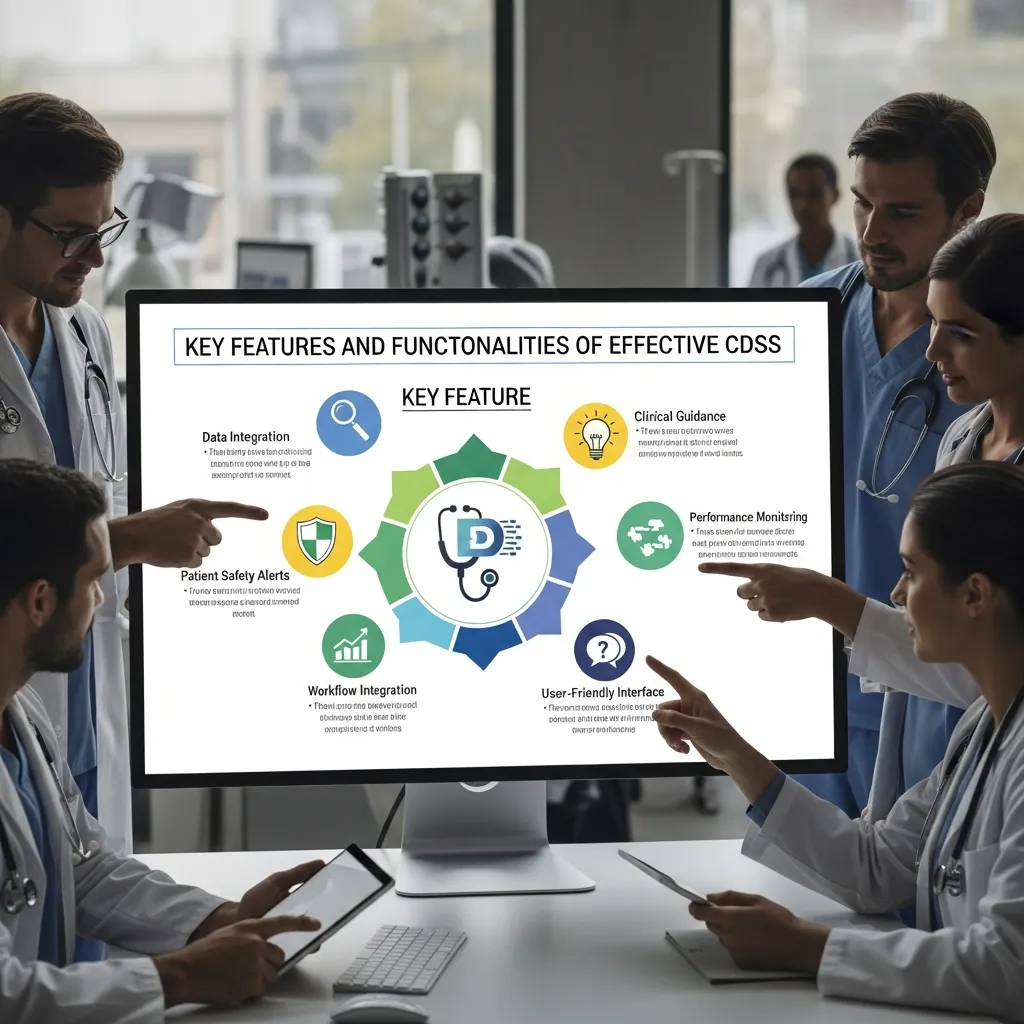
The real breakthrough occurred with the widespread adoption of Electronic Health Records (EHR). Once patient data became digitized and centralized, software developers could integrate decision support tools directly into the clinical workflow. Modern Clinical Decision Support Systems (CDSS) now operate seamlessly in the background. They actively scan the patient’s chart, comparing current medications, allergies, and lab results against a vast clinical knowledge base to provide instant, contextual alerts. According to the Office of the National Coordinator for Health Information Technology (ONC), these integrated systems are fundamental to improving healthcare quality, safety, and efficiency.
The Danger of Alert Fatigue
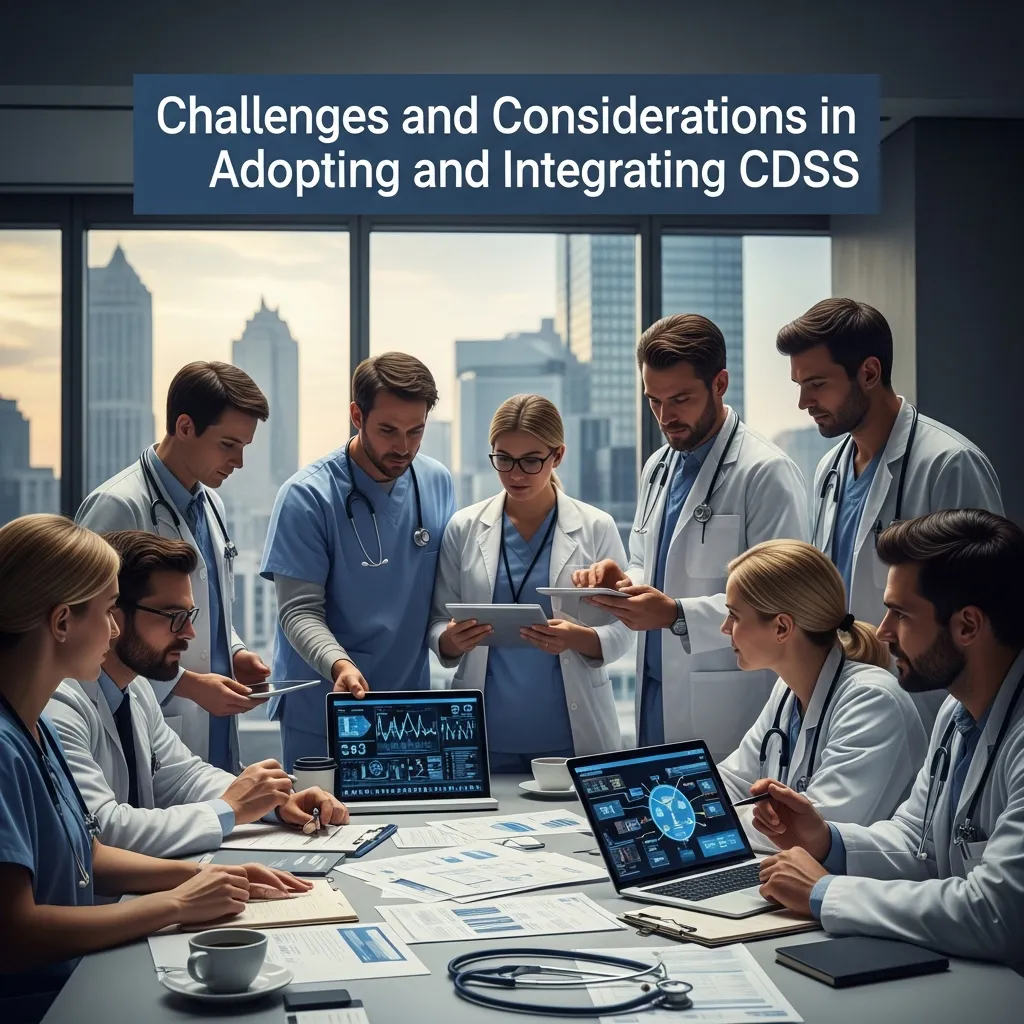
Perhaps the most universally recognized problem with CDSS is “alert fatigue.” When a system is too sensitive, it generates a constant barrage of low-priority warnings. If a doctor receives fifty alerts a day for minor, inconsequential issues, they will inevitably begin ignoring them or clicking past them without reading. This completely undermines the system’s safety protocols. To combat this, hospital IT departments must carefully calibrate the software so that it only interrupts the workflow for truly critical, life-threatening issues.
Interoperability and Data Quality
A CDSS is only as good as the data it analyzes. If a hospital uses fragmented software systems that cannot communicate with one another, the decision support tool will have an incomplete picture of the patient. Ensuring seamless interoperability between the EHR, the laboratory information system, the pharmacy, and the CDSS is a massive technical challenge. Furthermore, the clinical data itself must be accurate and up-to-date; poor data input will always result in poor system recommendations.
Financial Investment and Resource Allocation
Implementing these advanced systems requires a substantial financial investment. Beyond the initial software licensing costs, hospitals must allocate funds for extensive staff training, ongoing IT support, and regular system updates. Smaller clinics often struggle with these financial barriers. However, the software industry is adapting. Many health tech companies are actively expanding their reach by utilizing medical affiliate partnerships to promote scalable, cloud-based CDSS solutions that are more affordable for independent practices.
Future Trends and Innovations in Clinical Decision Support
The future of clinical decision support is inextricably linked to the rapid advancements in artificial intelligence and machine learning. We are moving away from rule-based systems—which rely on rigid “if-then” programming—toward predictive analytics that can anticipate patient needs before symptoms even arise.
Predictive Analytics and Machine Learning
Next-generation CDSS platforms are learning to analyze vast datasets to identify subtle patterns that human doctors might miss. For example, machine learning algorithms can continuously monitor a patient’s vital signs in the intensive care unit to predict the onset of sepsis hours before traditional clinical criteria are met. This proactive approach allows medical teams to intervene earlier, drastically improving survival rates. A comprehensive study available through the National Institutes of Health (NIH) highlights how these AI-driven predictive models are setting a new standard for patient care.
Cloud Computing and Precision Medicine
Cloud technology is enabling smaller healthcare facilities to access the same powerful CDSS tools used by major research hospitals. This democratization of technology is being accelerated by marketers joining the top medical affiliate programs to distribute cloud-based health software globally. Furthermore, as genetic testing becomes more common, future CDSS will incorporate genomic data to offer precision medicine. Instead of recommending a standard drug dosage based on weight and age, the system will suggest a highly personalized treatment plan based on how the patient’s specific DNA metabolizes the medication.
Enhanced User Interfaces and Voice Integration
To reduce the administrative burden on doctors, developers are heavily focusing on improving the user interface of CDSS tools. The integration of natural language processing will soon allow physicians to interact with the system using voice commands. A doctor could simply ask the room, “What are the latest treatment guidelines for a patient with this specific lab profile?” and the CDSS will instantly display the relevant evidence on the screen, completely hands-free.
The Indispensable Role of CDSS in Enhancing Patient Care
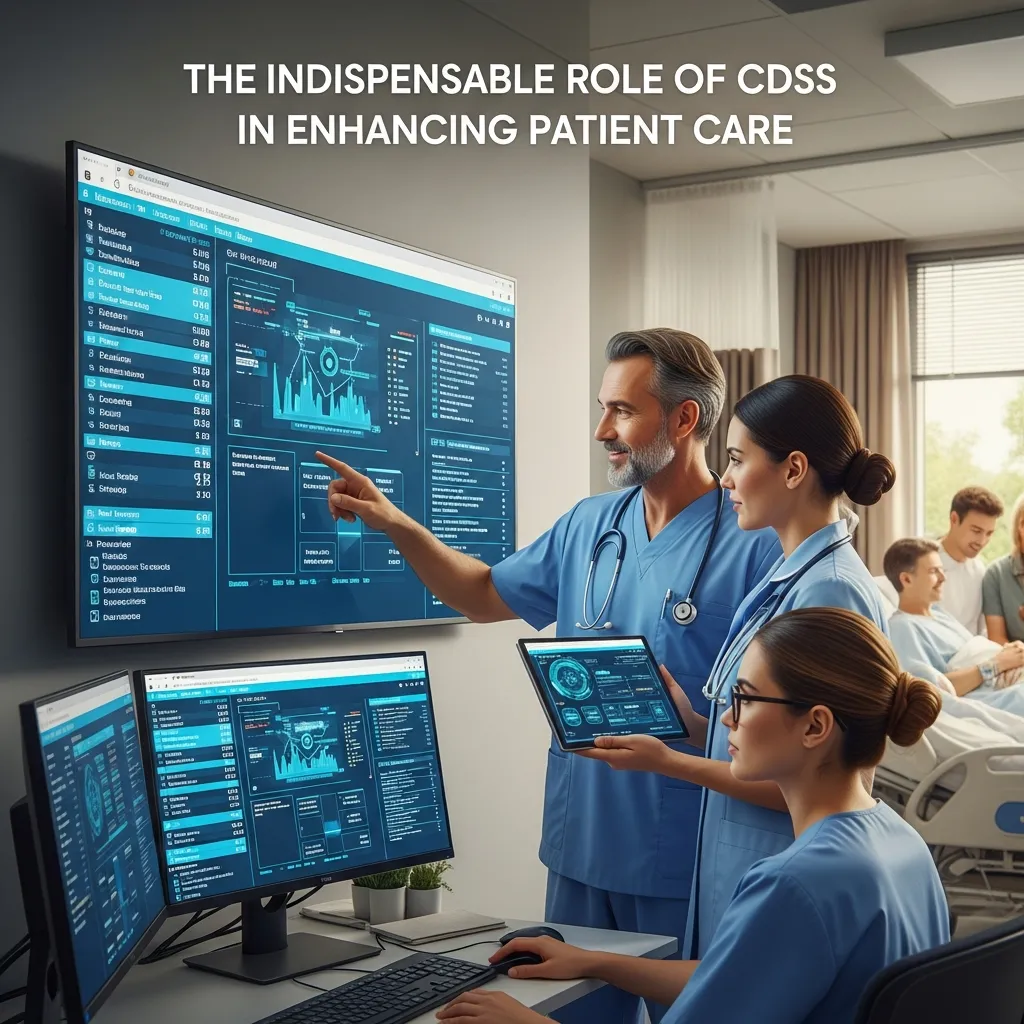 The practice of medicine has grown too complex for any single practitioner to navigate without technological assistance. Clinical decision support systems bridge the gap between the ever-expanding universe of medical knowledge and the fast-paced reality of patient care. By providing real-time alerts, standardizing treatment protocols, and offering instant access to critical reference materials, these tools empower healthcare providers to deliver the highest possible standard of care.
While challenges like alert fatigue and system integration require ongoing management, the trajectory of this technology is clear. As artificial intelligence and predictive analytics become more refined, CDSS will shift from being a reactive safety net to a proactive diagnostic partner. Healthcare organizations that invest in robust clinical decision support are not just upgrading their software; they are fundamentally committing to a safer, more efficient, and more effective future for their patients. The successful implementation of these systems remains one of the most vital steps a medical facility can take to ensure excellent clinical outcomes in the digital age.
FAQs
1. What is a clinical decision support knowledge base?
A clinical decision support knowledge base is a medical information system that provides evidence-based guidelines, alerts, and data to help healthcare providers make better clinical decisions.
2. How does a CDSS improve patient safety?
It improves safety by detecting medication errors, drug interactions, allergies, and abnormal lab results before they affect the patient.
3. What are smart alerts in a CDSS?
Smart alerts are real-time warnings that notify healthcare providers about potential risks like incorrect dosage or harmful drug combinations.
4. How does a CDSS help doctors in daily practice?
It provides quick access to guidelines, diagnostic support, and treatment recommendations, helping doctors make faster and more accurate decisions.
5. Can a CDSS reduce medical errors?
Yes, a clinical decision support knowledge base significantly reduces medical errors by providing automated checks and evidence-based suggestions.
6. What is Computerized Provider Order Entry (CPOE)?
CPOE is a system within CDSS that allows doctors to enter medical orders digitally while checking for errors and safety issues.
7. How does CDSS improve hospital efficiency?
It reduces time spent searching for information, minimizes duplicate tests, and streamlines workflows, improving overall efficiency.
8. Does CDSS replace doctors?
No, a clinical decision support knowledge base supports doctors but does not replace human judgment or clinical expertise.
9. Is CDSS useful for all healthcare settings?
Yes, it is useful in hospitals, clinics, and emergency care settings to improve decision-making and patient outcomes.
10. What is the future of clinical decision support systems?
The future includes AI-powered systems, real-time predictive analytics, and more personalized treatment recommendations.
Conclusion
A clinical decision support knowledge base plays a vital role in modern healthcare by improving patient safety, reducing medical errors, and enhancing clinical decision-making. It supports healthcare professionals with real-time alerts, evidence-based guidelines, and diagnostic tools that lead to more accurate and efficient care. By integrating advanced technology into daily practice, CDSS not only improves patient outcomes but also increases operational efficiency and reduces healthcare costs. As technology continues to evolve, clinical decision support systems will become even more intelligent and essential in delivering high-quality, data-driven medical care.
