



Epic Clinical Knowledge Base is a structured medical information resource that provides reliable clinical data, disease insights, and treatment knowledge. It supports healthcare professionals and learners with evidence-based information to improve diagnosis, research, and patient care outcomes.
Core Components of a Comprehensive System
An epic clinical knowledge base serves as the intellectual nervous system of a hospital. It is a highly structured, constantly updated database that stores treatment protocols, disease references, medication guidelines, and peer-reviewed research. Unlike traditional, static medical databases that simply act as digital libraries, this modern iteration actively participates in the healthcare process.
Traditional databases require doctors to step away from their clinical workflows to run manual searches. In contrast, an advanced knowledge base pushes relevant information directly to the provider. It cross-references a patient’s current symptoms and medical history with thousands of established medical protocols to suggest potential diagnoses or flag hazardous drug interactions. This dynamic capability makes it an indispensable tool for large healthcare networks managing thousands of patients daily.
The Technology Powering Clinical Intelligence
The sheer volume of medical literature published each year makes it impossible for human beings to process everything manually. To manage this influx, an epic clinical knowledge base relies heavily on artificial intelligence (AI) and machine learning. These technologies automatically aggregate new research, extract relevant data points, and integrate them into the system’s core algorithms.
Interoperability stands as another foundational pillar of this technology. For a knowledge base to be truly effective, it must communicate flawlessly with existing EHR systems. Through standardized coding systems like SNOMED CT and ICD-10, the knowledge base ensures that a diagnosis made in the emergency room translates perfectly when the patient moves to the intensive care unit. This seamless data exchange eliminates confusion and keeps all departments aligned on the best course of action.
Key Benefits of a Robust Clinical Knowledge Base
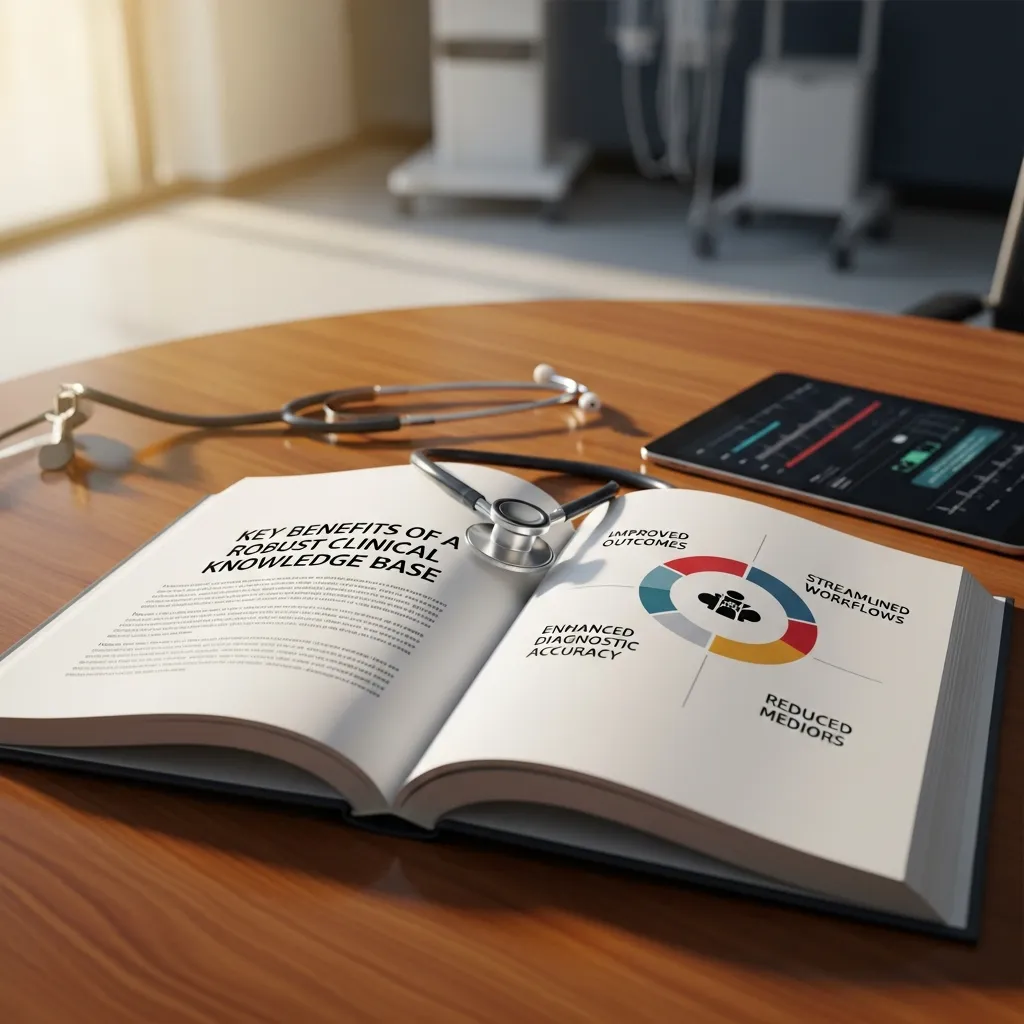 Enhanced Clinical Decision Support (CDS)
When a physician prescribes a medication, they must account for the patient’s allergies, existing prescriptions, and underlying conditions. A robust knowledge base supports clinical decision support systems by checking every order against a massive repository of safety protocols. If a doctor orders a drug that conflicts with the patient’s current regimen, the system immediately fires an alert.
Having real-time access to evidence-based medicine drastically reduces medical errors. Providers no longer have to rely solely on memory during high-pressure situations. The system acts as a vigilant co-pilot, offering dosage recommendations and treatment pathways verified by the latest scientific literature. This safety net ultimately saves lives and protects healthcare organizations from costly malpractice liabilities.
Streamlined Workflows and Efficiency
Administrative burdens contribute heavily to physician burnout. Providers often spend more time navigating clunky software and searching for standard order sets than interacting with patients. An epic clinical knowledge base streamlines these daily workflows by anticipating what the provider needs.
When a doctor inputs a diagnosis of community-acquired pneumonia, the system can automatically generate a condition-specific order set. This set includes the appropriate laboratory tests, imaging requests, and antibiotic choices based on current medical standards. By automating these repetitive administrative tasks, healthcare professionals save hours each week. They can redirect this recovered time toward direct patient care and complex problem-solving.
Improved Patient Outcomes
Every patient requires a highly personalized approach to treatment. A centralized knowledge base analyzes demographic data, genetic information, and historical treatment outcomes to help doctors tailor their care plans. By looking at how similar patients responded to specific therapies, physicians can choose the most effective intervention from day one.
This capability also supports proactive disease management. For patients managing chronic conditions like diabetes or heart failure, the system can track subtle changes in lab results over time. It can alert providers to potential complications before they become acute emergencies, allowing for early intervention and significantly better long-term health outcomes.
Facilitating Medical Research and Education
Beyond immediate patient care, an epic clinical knowledge base plays a critical role in advancing medical science. Research institutions use anonymized, aggregated data from these systems to identify public health trends, track the efficacy of new drugs, and recruit candidates for clinical trials. The National Institutes of Health (NIH) frequently emphasizes the importance of structured clinical data in accelerating medical breakthroughs and improving trial design.
Furthermore, these knowledge bases serve as exceptional educational tools. Medical students and residents can access the system to understand why certain clinical pathways are chosen. By reviewing the evidence-linked guidelines attached to real patient cases, the next generation of healthcare providers learns to practice medicine rooted in current science rather than outdated habits.
Challenges and Solutions in Managing Clinical Data
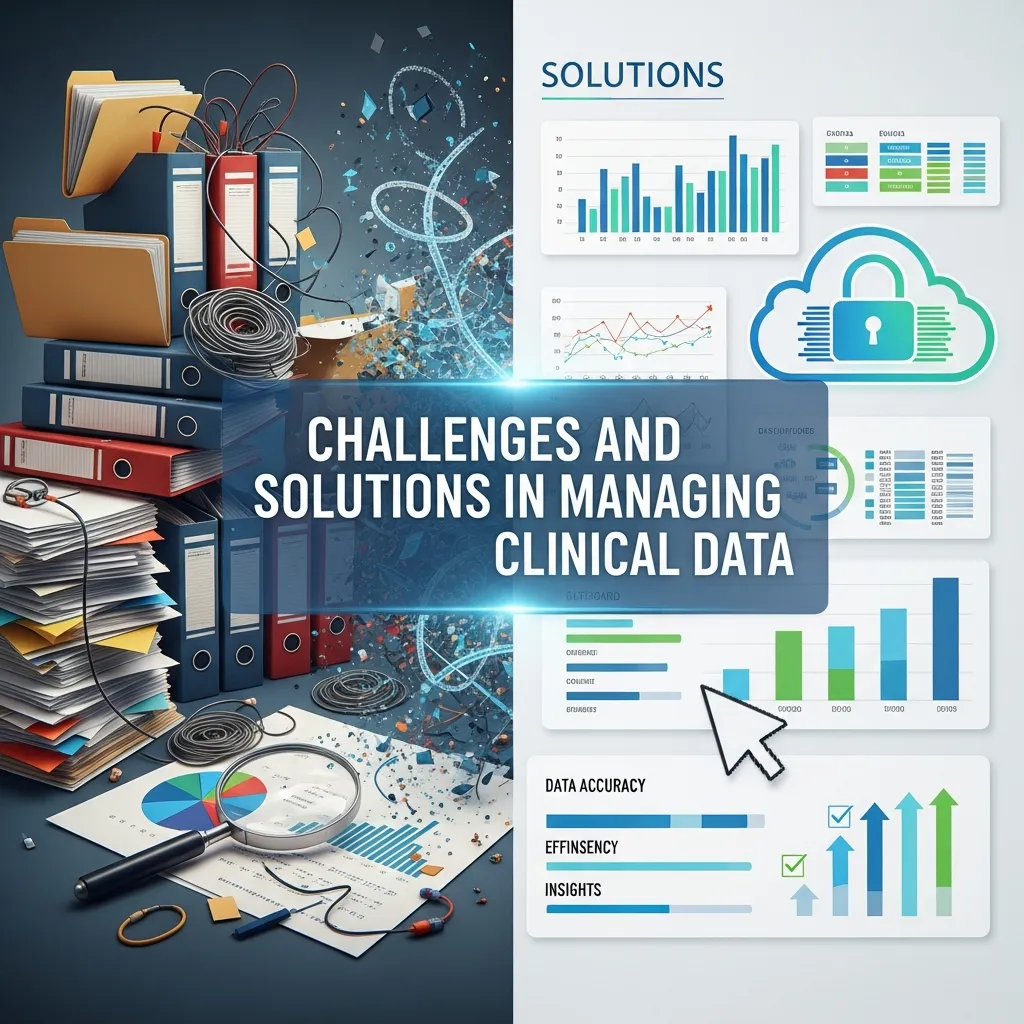 Data Overload and Effective Curation
The rapid expansion of medical information presents a significant hurdle. If a knowledge base absorbs every published study without strict filtering, it quickly becomes bloated and contradictory. This data overload leads to “alert fatigue,” where the system generates so many low-priority warnings that doctors begin ignoring them entirely.
To solve this, healthcare organizations must implement rigorous data curation strategies. Dedicated clinical governance committees, comprised of experienced physicians and IT specialists, must regularly review and update the system’s rules. They can calibrate the alert thresholds so the software only interrupts the clinical workflow for truly critical safety issues, ensuring the tool remains helpful rather than annoying.
Ensuring Accuracy and Reliability
A clinical knowledge base is only as useful as the data it holds. Inaccurate treatment guidelines or outdated drug information can lead to severe patient harm. Maintaining absolute reliability requires strict validation processes.
Organizations often establish partnerships with trusted medical bodies to automate content updates. For example, integrating guidelines from the World Health Organization (WHO) ensures that protocols for infectious diseases remain globally standardized and scientifically sound. Every new rule or guideline introduced into the local system must undergo peer review by subject matter experts before it goes live on the hospital floor.
User Adoption and Training
Introducing new technology into a hospital often meets resistance. Experienced clinicians may feel that an algorithm is trying to dictate how they practice medicine. Overcoming this cultural barrier requires thoughtful change management and continuous education.
Administrators should involve clinical staff early in the design and implementation phases. When doctors and nurses help shape the system’s interface and rule sets, they are far more likely to embrace it. Comprehensive training programs must focus on how the tool enhances the provider’s autonomy rather than restricting it. Demonstrating immediate time-saving benefits is usually the most effective way to secure team-wide buy-in.
Case Studies: The Real-World Impact of Organized Knowledge
Hospitals across the globe are already reaping the rewards of structured clinical intelligence. Large academic medical centers report substantial drops in adverse drug events after implementing advanced knowledge bases integrated directly into their EHRs.
In one notable instance, a major regional health system utilized its knowledge base to standardize care for sepsis patients. By deploying an automated alert system that recognized the early signs of infection based on real-time lab results and vital signs, the hospital decreased sepsis mortality rates by a significant margin. The system provided immediate, step-by-step treatment protocols that guided nurses and emergency physicians through the critical first hour of care.
Financially, these systems pay for themselves by reducing length of stay and preventing hospital readmissions. When providers have instant access to accurate diagnostic criteria, they order fewer unnecessary tests and avoid redundant procedures. This efficiency translates directly into millions of dollars in operational cost savings annually, which hospitals can then reinvest into facility improvements, advanced equipment, and additional staffing.
The Future of Clinical Knowledge Bases in Healthcare
Predictive Analytics and Precision Medicine
The next frontier for clinical knowledge management involves shifting from reactive support to proactive prediction. Future iterations of these systems will leverage predictive analytics to forecast patient deterioration hours or even days before clinical symptoms manifest. By analyzing continuous data streams from bedside monitors and wearable devices, the knowledge base will alert care teams to intervene preemptively.
This evolution ties directly into the growth of precision medicine. As genetic sequencing becomes more affordable and accessible, the knowledge base will cross-reference a patient’s DNA profile with pharmaceutical data to determine exactly which medications will work best for their specific biological makeup.
The Evolving Role of AI and Big Data
Generative AI and natural language processing will make interacting with these massive databases incredibly intuitive. Providers will soon be able to use voice commands to ask the system complex medical questions during an exam. The software will instantly parse millions of data points to deliver a concise, evidence-backed summary right to the provider’s tablet.
For those looking to understand the full scope of how these repositories are built and maintained, exploring a comprehensive clinical knowledge base implementation guide provides valuable insight into the technical architecture required for success.
Frequently Asked Questions
What is the primary purpose of a clinical knowledge base?
The main goal is to centralize medical evidence, treatment guidelines, and patient data into one accessible platform. This ensures healthcare providers make safe, accurate, and scientifically supported decisions during patient care.
How does it differ from a standard Electronic Health Record (EHR)?
An EHR primarily stores a patient’s individual medical history, including past visits, test results, and demographics. A clinical knowledge base acts as the intelligence layer on top of the EHR, providing the medical rules, drug interaction data, and diagnostic pathways that help interpret that patient history.
Can small clinics afford to implement these systems?
Yes. While large hospital networks often build custom solutions, cloud-based software providers now offer scalable, subscription-based knowledge platforms. These allow independent practices to access the same high-level clinical decision support tools without massive upfront infrastructure costs.
Shaping the Next Era of Patient Care with Epic Clinical Knowledge Base
The integration of an epic clinical knowledge base represents a fundamental leap forward in how we deliver modern medical care. By organizing complex and fragmented medical data into a structured, accessible, and intelligent system, the epic clinical knowledge base supports better clinical decisions and improved patient outcomes.
In today’s digital healthcare environment, an epic clinical knowledge base plays a crucial role in transforming raw clinical data into actionable insights. It helps healthcare professionals access real-time information, reduce errors, and improve the speed and accuracy of diagnosis and treatment.
How Epic Clinical Knowledge Base Improves Healthcare Delivery
An epic clinical knowledge base improves healthcare delivery by turning large volumes of patient data into meaningful clinical insights. Doctors and nurses can quickly access patient history, treatment guidelines, and evidence-based recommendations in one centralized system.
This reduces dependency on manual records and improves workflow efficiency in hospitals and clinics. It also supports better coordination between healthcare teams, ensuring that patients receive consistent and accurate care.
Role of Epic Clinical Knowledge Base in Clinical Decision Support
One of the most important functions of an epic clinical knowledge base is clinical decision support. It assists healthcare providers by offering real-time alerts, drug interaction warnings, and evidence-based treatment suggestions.
This ensures that medical professionals can make safer and more informed decisions at the point of care. As a result, the epic clinical knowledge base reduces medical errors and improves patient safety.
Integration with Artificial Intelligence and Predictive Analytics
The future of the epic clinical knowledge base is strongly connected with artificial intelligence and predictive analytics. AI-powered systems can analyze patient data patterns, predict potential health risks, and suggest preventive care strategies.
As these technologies continue to evolve, the epic clinical knowledge base will become even more powerful in identifying diseases earlier and improving long-term health outcomes.
Reducing Healthcare Complexity and Cognitive Load
Healthcare professionals often deal with large amounts of complex information daily. The epic clinical knowledge base helps reduce this cognitive burden by organizing data into clear, structured formats.
Instead of searching multiple systems, clinicians can rely on a single knowledge base to access everything they need. This improves efficiency, reduces stress, and allows more time for direct patient care.
Building a Smarter Healthcare Ecosystem
The adoption of an epic clinical knowledge base is essential for building a smarter and more connected healthcare ecosystem. It bridges the gap between rapidly evolving medical research and everyday clinical practice.
Hospitals and healthcare organizations that invest in these systems can improve collaboration, enhance data sharing, and deliver more personalized treatment plans.
