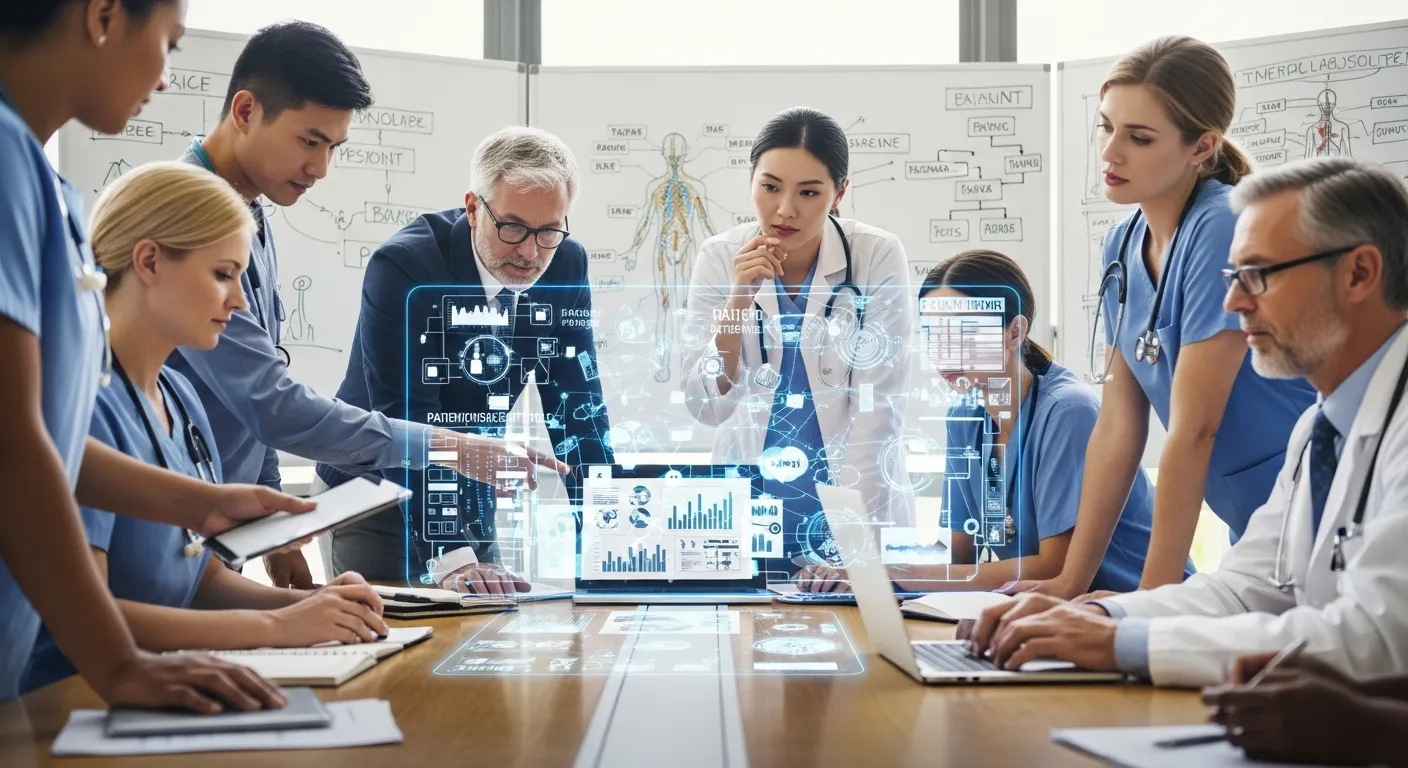
A broad clinical knowledge base helps individuals understand diseases, treatments, and medical research in a simplified way. It supports better healthcare decisions by improving awareness of clinical concepts, diagnostic methods, and modern treatment approaches across various medical fields.
Medicine is an ever-expanding discipline that requires practitioners to continuously adapt and grow. Every patient interaction presents a unique puzzle, demanding a deep understanding of human biology, disease pathology, and treatment protocols. Without a solid foundation of medical information, navigating these complex patient scenarios becomes incredibly difficult.
Developing a broad clinical knowledge base is the cornerstone of effective healthcare practice. This refers to the comprehensive collection of medical facts, procedural skills, and critical thinking abilities that a clinician relies on daily. It encompasses everything from basic anatomy to the latest evidence-based treatment guidelines. By internalizing this vast array of information, healthcare professionals can make swift, accurate decisions that directly impact patient recovery.
Reading this guide will help you understand the core components of a broad clinical knowledge base. You will discover practical strategies for maintaining your medical expertise and explore how modern technology is revolutionizing the way clinicians access critical information. Ultimately, strengthening your foundational knowledge leads to better patient outcomes, reduced medical errors, and a more fulfilling medical career.
Core Components of Clinical Expertise
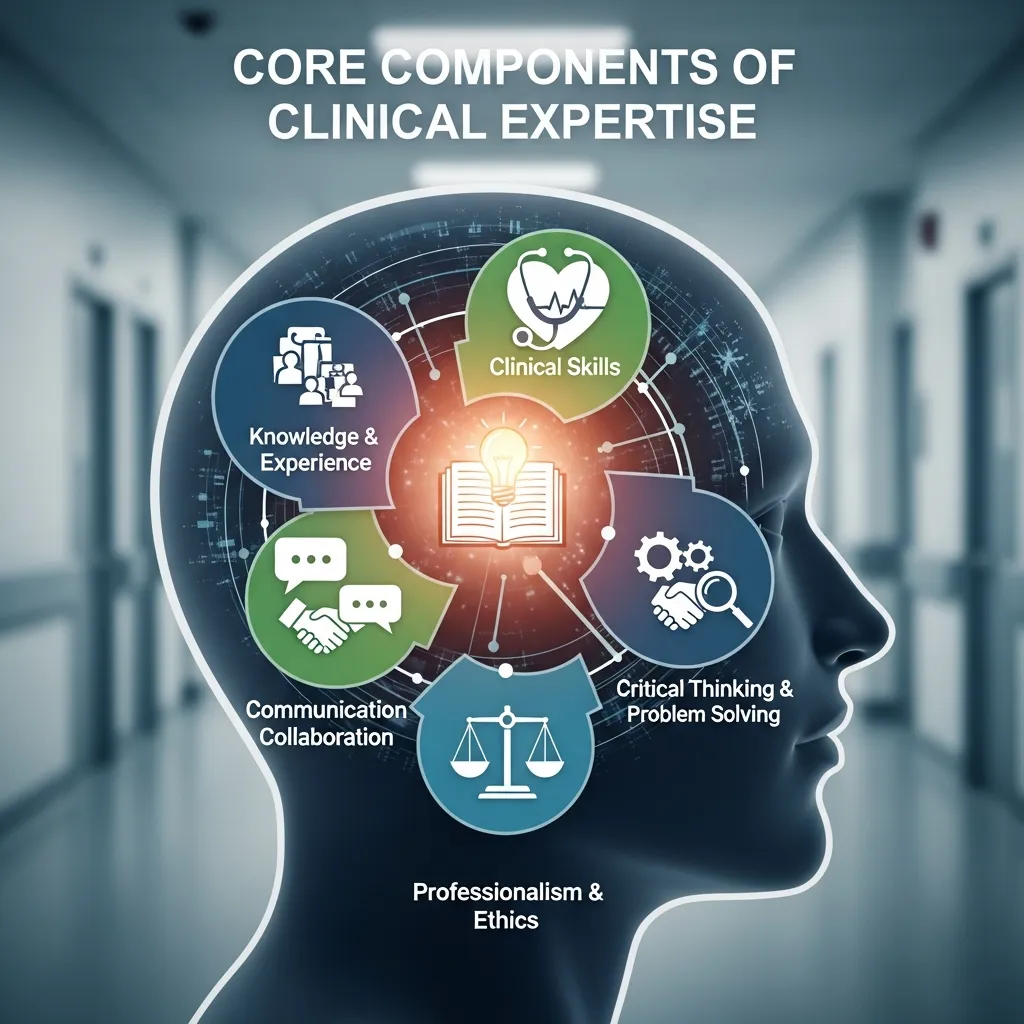 A physician’s expertise is built on several distinct pillars of learning. Each component plays a vital role in delivering comprehensive patient care and is essential for developing a strong broad clinical knowledge base.
Medical Sciences
At the heart of every diagnosis is a thorough understanding of the basic medical sciences. Anatomy, physiology, and pharmacology form the bedrock of medical education. Clinicians must understand how the human body functions under normal conditions to identify when something goes wrong.
A strong broad clinical knowledge base also requires continuous learning in medical science, as new discoveries regularly update existing understanding. Furthermore, a deep knowledge of pharmacology is necessary to prescribe medications safely, taking into account potential side effects and drug interactions.
Clinical Skills and Procedures
Theoretical knowledge must be paired with practical application. Clinical skills range from performing a routine physical examination to executing complex surgical procedures. Mastery of these skills requires hands-on practice, repetition, and a keen attention to detail.
Developing a broad clinical knowledge base ensures that healthcare professionals can confidently apply theoretical knowledge in real-world patient care situations, improving diagnosis accuracy and treatment outcomes.
Diagnostic Reasoning and Problem-Solving
Healthcare is rarely straightforward. Patients often present with overlapping symptoms that could indicate multiple different conditions. Diagnostic reasoning involves synthesizing patient history, physical findings, and laboratory results to form a logical conclusion.
This critical thinking process is a key part of building a broad clinical knowledge base, as it transforms raw medical data into accurate, actionable treatment plans that directly impact patient recovery.
Evidence-Based Medicine Principles
Medical science is not static. Evidence-based medicine (EBM) requires clinicians to integrate the best available research with their clinical expertise and the patient’s unique values.
A strong broad clinical knowledge base depends on understanding how to critically evaluate clinical trials, research papers, and updated medical guidelines. This ensures that clinical practice remains modern, accurate, and scientifically validated.
Ethical and Legal Considerations
Providing care goes beyond physical treatment. Healthcare professionals must navigate complex ethical dilemmas and adhere to strict legal standards.
Understanding patient autonomy, informed consent, and confidentiality laws is a crucial part of a broad clinical knowledge base, ensuring that care is not only effective but also ethical and legally compliant.
Expanded Insight: Continuous Medical Learning
In modern healthcare, maintaining a broad clinical knowledge base requires lifelong learning. Medical professionals must regularly update their knowledge through workshops, journals, and clinical training programs.
This continuous education ensures that clinicians remain competent in new technologies, emerging diseases, and evolving treatment protocols, ultimately improving patient care quality and safety.
Strategies for Expanding Your Medical Knowledge
Maintaining a broad clinical knowledge base requires a proactive approach to lifelong learning and consistent engagement with updated medical practices. In modern healthcare, knowledge becomes outdated quickly, so continuous improvement is essential for safe and effective patient care.
Continuous Medical Education (CME)
Participating in formal Continuous Medical Education (CME) programs helps healthcare professionals stay current with evolving medical standards, treatment guidelines, and clinical protocols. These structured learning programs are a key part of maintaining a strong broad clinical knowledge base throughout a medical career.
Conferences, workshops, and seminars offer valuable opportunities to learn about new therapies, diagnostic advancements, and emerging research findings. They also allow professionals to interact with experts in different specialties, helping them gain practical insights that go beyond textbooks.
In addition, CME activities encourage critical thinking and help clinicians apply updated evidence-based practices in real-world patient care. This continuous learning process ensures that medical decisions remain accurate, safe, and aligned with the latest scientific developments.
Medical Journals and Research Reading
Regularly reading peer-reviewed medical journals is another essential strategy. Journals provide access to the latest clinical trials, treatment innovations, and disease management guidelines. This habit strengthens a broad clinical knowledge base by keeping professionals informed about cutting-edge discoveries in medicine.
Peer Collaboration and Case Discussions
Engaging in discussions with colleagues and participating in clinical case reviews also improves learning. Sharing real patient cases helps clinicians understand different diagnostic approaches and treatment strategies, which enhances clinical reasoning skills.
Digital Learning and Online Platforms
Modern digital platforms, online courses, and medical databases offer flexible learning opportunities. These resources allow healthcare professionals to continuously expand their broad clinical knowledge base at their own pace, making education more accessible and efficient.
Utilizing Clinical Decision Support Systems
Modern healthcare relies heavily on organized data. By integrating a clinical knowledge base directly into daily workflows, clinicians gain instant access to treatment guidelines and disease references. Furthermore, a robust clinical decision support system actively monitors patient data to prevent medication errors and suggest evidence-based care pathways, serving as an invaluable digital assistant.
Lifelong Learning and Self-Directed Study
The most successful practitioners take ownership of their education. Dedicating time each week to review case studies, listen to medical podcasts, or read specialty textbooks helps reinforce foundational concepts and introduce new medical breakthroughs.
Collaborative Learning
Medicine is a team effort. Engaging in peer-to-peer discussions, case reviews, and interdisciplinary rounds exposes clinicians to different perspectives. Learning from the experiences and mistakes of colleagues accelerates professional growth.
Staying Updated with Medical Literature
Consistently reviewing peer-reviewed journals is essential for practicing evidence-based medicine. Resources like PubMed provide access to millions of biomedical citations, allowing clinicians to research specific conditions and stay informed about global clinical trials.
The Role of Technology in Knowledge Acquisition
 Technology has fundamentally changed how medical professionals store and retrieve information, making it easier than ever to access a broad clinical knowledge base at the point of care.
Electronic Health Records (EHRs)
EHRs do much more than store patient history. Advanced systems, such as an Epic clinical knowledge base, centralize institutional protocols and medical guidelines. This integration allows doctors to review specific treatment pathways without leaving the patient’s chart, streamlining the entire clinical workflow.
Artificial Intelligence and Machine Learning
AI is transforming diagnostic medicine. Machine learning algorithms can analyze vast datasets, including medical images and lab results, to identify subtle patterns that human eyes might miss. These tools support clinicians by offering predictive insights and highlighting potential health risks before they become acute emergencies.
Telemedicine and Remote Access
The rise of virtual care has expanded access to medical information and specialist consultations. Remote platforms enable healthcare providers to collaborate across vast distances. Organizations continually release new guidance on these technologies, such as the AMA’s insights on best practices for virtual care, ensuring that digital health delivery remains safe and effective.
Benefits for Practitioners and Patients
Investing time in expanding your clinical knowledge yields significant dividends for both the healthcare provider and the individual receiving care. Building a strong broad clinical knowledge base directly improves decision-making, patient outcomes, and overall healthcare quality.
Improved Diagnostic Accuracy
A deep understanding of disease pathology allows clinicians to recognize atypical presentations and rare conditions. This accuracy prevents misdiagnoses, leading to faster and more effective interventions.
A well-developed broad clinical knowledge base helps healthcare professionals connect subtle symptoms with underlying conditions, reducing diagnostic errors and improving early detection of complex diseases.
Enhanced Patient Safety
Knowledgeable clinicians are better equipped to anticipate complications. By understanding drug interactions, contraindications, and procedural risks, providers can implement preventive measures that drastically reduce medical errors and adverse events.
Maintaining a broad clinical knowledge base also ensures adherence to updated clinical guidelines, improving treatment safety and minimizing avoidable risks in patient care.
Greater Confidence and Autonomy
When you trust your foundational knowledge, you operate with higher confidence. This autonomy allows providers to handle high-pressure situations calmly, making swift and accurate decisions without second-guessing their clinical judgment.
A strong broad clinical knowledge base supports clinical independence, helping practitioners act decisively in emergency and complex care scenarios.
Better Communication and Patient Education
A well-informed doctor can explain complex medical concepts in simple, understandable terms. This improves communication between patients and healthcare providers.
With a solid broad clinical knowledge base, clinicians can educate patients about diagnoses, treatment options, and preventive care more effectively. This fosters trust, improves treatment adherence, and empowers individuals to take an active role in their own health journey.
Long-Term Healthcare Impact
Beyond individual cases, a strong broad clinical knowledge base contributes to better healthcare systems overall. It improves clinical consistency, supports evidence-based practice, and strengthens patient-centered care across all levels of medicine.
Shaping the Future of Clinical Excellence
 A broad clinical knowledge base is the most powerful tool a healthcare professional can possess. It forms the foundation of accurate diagnoses, safe medication management, and compassionate patient care. As medical science continues to advance at an unprecedented rate, the commitment to lifelong learning becomes even more critical.
A strong broad clinical knowledge base not only improves individual clinical performance but also contributes to stronger healthcare systems overall. It helps reduce diagnostic errors, improves treatment consistency, and ensures that patients receive care that is aligned with the latest evidence-based medical guidelines.
By leveraging modern technology, engaging with updated medical literature, and collaborating with peers, clinicians can continuously expand their expertise. Digital health platforms, clinical databases, and AI-assisted decision tools now make it easier than ever to stay current and maintain a reliable broad clinical knowledge base in everyday practice.
In addition, participation in workshops, conferences, and peer discussions helps reinforce practical understanding and encourages the exchange of real-world clinical experiences. These activities ensure that theoretical knowledge is effectively translated into patient-centered care.
Take the time to integrate robust decision support tools into your practice, prioritize continuing education, and actively strengthen your broad clinical knowledge base. Over time, this commitment will significantly enhance clinical confidence, improve patient outcomes, and elevate the overall quality of care you provide to your patients every single day.
Frequently Asked Questions (FAQ)
1. What is a broad clinical knowledge base?
A broad clinical knowledge base refers to a wide understanding of medical science, diagnosis, treatment methods, and patient care principles used in healthcare practice.
2. Why is a broad clinical knowledge base important?
It helps healthcare professionals make accurate diagnoses, choose effective treatments, and provide safer patient care.
3. Who needs a broad clinical knowledge base?
Doctors, nurses, medical students, and other healthcare professionals need it to improve clinical decision-making and patient outcomes.
4. How can clinicians build a broad clinical knowledge base?
They can build it through continuous education, reading medical journals, attending training, and practicing clinical skills.
5. Does technology help in building clinical knowledge?
Yes, digital tools, online databases, and decision-support systems help clinicians stay updated and improve knowledge.
6. What role does evidence-based medicine play?
Evidence-based medicine ensures that clinical decisions are based on the latest and most reliable research.
7. Can a strong clinical knowledge base reduce medical errors?
Yes, better knowledge improves diagnostic accuracy and reduces risks of medication and treatment errors.
8. Is clinical knowledge only theoretical?
No, it includes both theoretical understanding and practical clinical skills in real patient care.
9. How does it improve patient communication?
A strong knowledge base helps clinicians explain medical conditions in simple terms, improving patient understanding.
10. Is clinical knowledge a one-time learning process?
No, it requires lifelong learning because medical science continuously evolves.
Conclusion
A broad clinical knowledge base is essential for delivering high-quality healthcare. It supports accurate diagnosis, safe treatment decisions, and effective patient communication. By continuously updating their knowledge through education, research, and clinical experience, healthcare professionals can improve patient outcomes and reduce medical risks. Ultimately, a strong commitment to lifelong learning ensures better clinical excellence and more reliable, patient-centered care.