


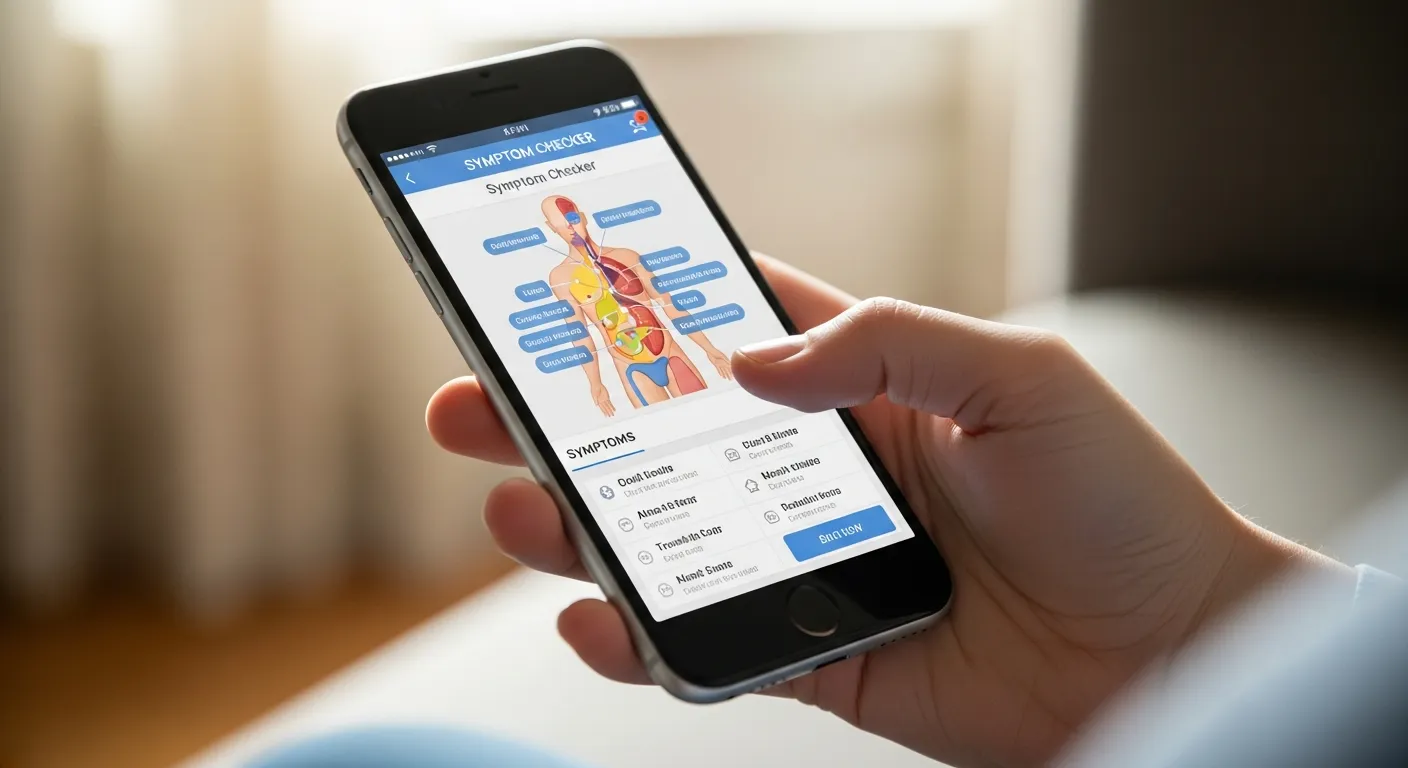
Unlocking the WebMD Symptom Checker explores how this digital health tool helps users understand symptoms, prepare for medical consultations, and make informed healthcare decisions through accessible symptom analysis and health information while emphasizing the importance of professional medical guidance.
Millions of people turn to the internet at the first sign of a cough, a strange rash, or an unexplained ache. Medical information is more accessible now than at any other point in human history. We can search for conditions, read about treatments, and even connect with physicians from the comfort of our living rooms. This shift toward digital health tools has fundamentally changed how we approach personal wellness and medical care.
At the center of this digital revolution sits the WebMD Symptom Checker. This tool allows users to input their physical complaints and receive a list of potential conditions. It serves as a digital triage nurse, helping you decide if you need immediate emergency care, a scheduled doctor’s appointment, or simply some rest and hydration at home. For many, it is the very first step in their healthcare journey.
However, using digital diagnostic tools requires a healthy dose of caution and understanding. While the internet provides vast amounts of medical data, it lacks the nuanced judgment of a trained healthcare professional. Relying solely on software to diagnose a medical condition can sometimes lead to unnecessary anxiety or, conversely, a false sense of security.
Understanding how to use the WebMD Symptom Checker effectively will empower you to make smarter, more informed health decisions. This comprehensive guide will explore the mechanics behind the tool, its primary benefits, its inherent limitations, and how it fits into the larger ecosystem of modern healthcare technology.
Understanding the WebMD Symptom Checker: How It Works
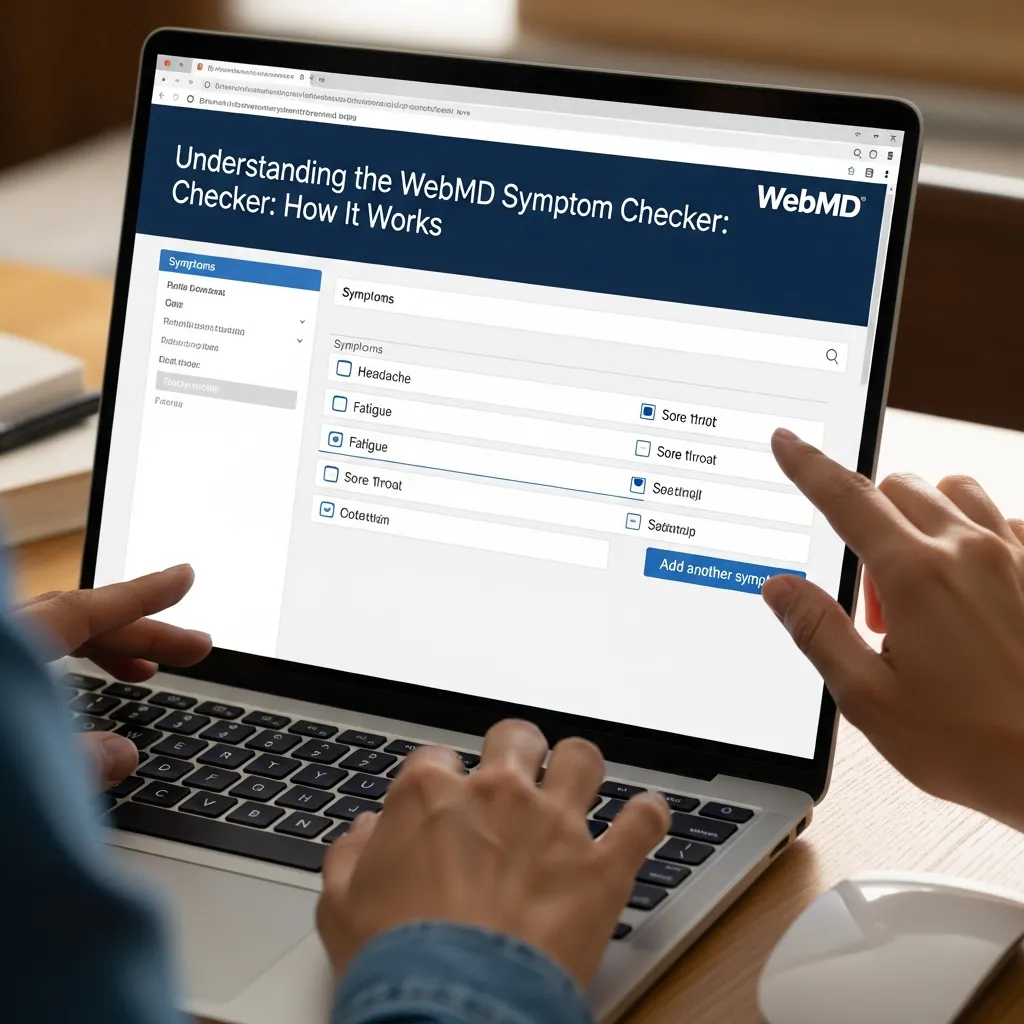 The WebMD Symptom Checker is built upon a complex algorithm designed to mimic the initial questioning you might receive at a doctor’s office. It translates your inputs into a calculated list of potential ailments. Understanding the mechanics of this tool helps users interpret its results more accurately.
Step-by-Step Data Entry
Using the tool begins with basic demographic information. You enter your age and biological sex, as these factors drastically influence medical probabilities. A sharp chest pain in a 70-year-old male carries different statistical possibilities than the exact same pain in a 15-year-old female.
Next, the system asks you to identify your primary symptom. You can type this into a search bar or select the affected body part from an interactive anatomical model. Once you select the main issue, the software prompts you with follow-up questions. It might ask about the severity of the pain, how long it has lasted, and whether you are experiencing any secondary symptoms like fever, nausea, or dizziness.
The Algorithmic Evaluation
Behind the scenes, the WebMD Symptom Checker processes your answers using a vast database of medical knowledge. The algorithm cross-references your specific combination of symptoms against thousands of documented medical conditions. It calculates probabilities based on statistical likelihoods.
If you report a runny nose, a sore throat, and a mild fever, the algorithm quickly matches these points with common viral infections. The system then generates a list of possible conditions, usually ordering them from the most common to the least common. It also provides a brief overview of each condition and suggests next steps for seeking care.
The Role of User Accuracy
The output of the WebMD Symptom Checker is entirely dependent on the quality of the information you provide. Medical professionals refer to this as the “garbage in, garbage out” principle. If you exaggerate the severity of your pain or omit a seemingly minor secondary symptom, the algorithm will generate an inaccurate list of possibilities.
Users must strive for objective honesty when interacting with the tool. Take a moment to assess your physical state calmly before answering the prompts. The more precise you are with your inputs, the more reliable the suggested outcomes will be.
Benefits of Using a Symptom Checker
Digital health tools have gained massive popularity for a reason. When used correctly, the WebMD Symptom Checker offers several distinct advantages that improve the way individuals manage their personal health.
Immediate Accessibility and Convenience
Medical issues do not always arise during standard clinic hours. You might wake up at two in the morning with a strange abdominal cramp. In these moments, the WebMD Symptom Checker provides immediate guidance. You do not need to wait for a clinic to open or spend hours on hold trying to reach an on-call nurse. The tool is available 24 hours a day, offering instant feedback when you need it most.
This accessibility is particularly valuable for individuals living in rural areas or those with limited mobility. It bridges the gap between the onset of symptoms and professional medical consultation, offering an initial layer of guidance that is entirely free of charge.
Preparing for Medical Appointments
One of the most practical benefits of the WebMD Symptom Checker is its ability to help you organize your thoughts before seeing a doctor. Medical appointments are often brief, and patients frequently forget to mention important details due to stress or time constraints.
By running through the symptom checker, you naturally create a structured list of your complaints. You learn the specific medical terminology related to your condition. This preparation allows you to communicate much more effectively with your physician, ensuring that your precious consultation time is spent discussing treatments rather than untangling a confusing timeline of symptoms.
Empowering Health Literacy
Interacting with digital health tools naturally improves your medical literacy. As you review the possible conditions generated by the WebMD Symptom Checker, you learn about different diseases, their typical presentations, and their standard treatments.
This knowledge empowers you to take a more active role in your healthcare. Educated patients are more likely to adhere to treatment plans, recognize warning signs early, and ask informed questions during medical consultations. Knowledge reduces the fear of the unknown, transforming patients from passive recipients of care into active participants in their wellness journey.
Limitations and Risks: What to Be Aware Of
 While the WebMD Symptom Checker is a powerful resource, it is not a replacement for a medical degree. Users must remain acutely aware of its limitations to avoid making dangerous healthcare decisions based on software outputs.
The Risk of Cyberchondria
Perhaps the most common negative side effect of symptom checkers is the rapid escalation of health anxiety, frequently referred to as “cyberchondria.” Algorithms are designed to present all statistical possibilities, including rare and severe conditions.
A user might input a simple headache and mild fatigue. While the most likely cause is a benign tension headache or a common cold, the tool will also list severe neurological conditions at the bottom of the probability list. An anxious user may ignore the highly probable, harmless conditions and fixate entirely on the worst-case scenario. This unnecessary panic can lead to stress, sleeplessness, and expensive, unneeded trips to the emergency room.
Lack of Clinical Context
The WebMD Symptom Checker evaluates data points, not human beings. It cannot observe your skin color, hear the specific wheeze in your lungs, or palpate your abdomen to check for rigidity. It lacks the essential clinical context that a doctor uses to form an accurate diagnosis.
A physician synthesizes hundreds of subtle visual and auditory cues during a physical examination. They consider your family history, your lifestyle, and your emotional state. Software algorithms, no matter how advanced, cannot replicate this holistic assessment. Therefore, the list of potential conditions generated by a digital tool should always be viewed as a rough guide, never as a definitive medical diagnosis.
The Danger of False Reassurance
Just as symptom checkers can cause unnecessary panic, they can also provide dangerous false reassurance. If a user inputs vague or incomplete symptoms, the tool might suggest a harmless condition, leading the user to delay necessary medical care.
For instance, certain types of heart attacks present with atypical symptoms like jaw pain or indigestion, especially in women. If a user inputs “indigestion” into the WebMD Symptom Checker without mentioning a subtle shortness of breath, the tool will likely suggest acid reflux. Delaying emergency cardiovascular care based on a software recommendation can have fatal consequences.
WebMD Symptom Checker in the Broader Digital Health Landscape
The WebMD Symptom Checker does not exist in isolation. It is part of a massive, rapidly expanding digital healthcare ecosystem designed to organize medical data and support clinical decisions. Understanding how consumer tools fit into this larger picture highlights the future direction of medical technology.
Connection to Professional Medical Systems
While consumers use symptom checkers at home, medical professionals use highly advanced versions of these tools in hospitals. These professional systems are known as clinical decision support tools. They integrate directly into a hospital’s electronic health records, analyzing patient histories, lab results, and real-time vital signs to help doctors avoid medication errors and improve diagnostic accuracy.
The underlying logic of the WebMD Symptom Checker shares similarities with these professional tools. Both rely on structured medical data to map symptoms to conditions. However, professional systems are subject to strict regulatory oversight and rely on a comprehensive broad clinical knowledge base to ensure absolute scientific accuracy.
Global Health Initiatives and Technology
Public health organizations globally are recognizing the value of digital symptom tracking. During large-scale health events, such tools help monitor the spread of illnesses across populations. The Centers for Disease Control and Prevention (CDC) frequently deploys digital assessment tools to help the public identify specific viral symptoms and determine when to seek testing.
Similarly, research institutions are studying how consumer interactions with health software can predict community health trends. The National Institutes of Health (NIH) supports ongoing research into how artificial intelligence and machine learning can improve the accuracy of public-facing symptom checkers, making them safer and more reliable for general use.
The Future of AI in Consumer Health
As artificial intelligence continues to advance, the capabilities of tools like the WebMD Symptom Checker will expand significantly. Future iterations will likely incorporate natural language processing, allowing users to describe their symptoms using conversational speech rather than clicking through rigid menus.
Furthermore, these tools may eventually integrate with wearable technology. Imagine a symptom checker that not only processes your verbal complaints but also analyzes the heart rate and oxygen saturation data transmitted directly from your smartwatch. This convergence of consumer hardware and diagnostic software will blur the lines between home care and clinical assessment.
When to See a Doctor: Red Flags to Never Ignore
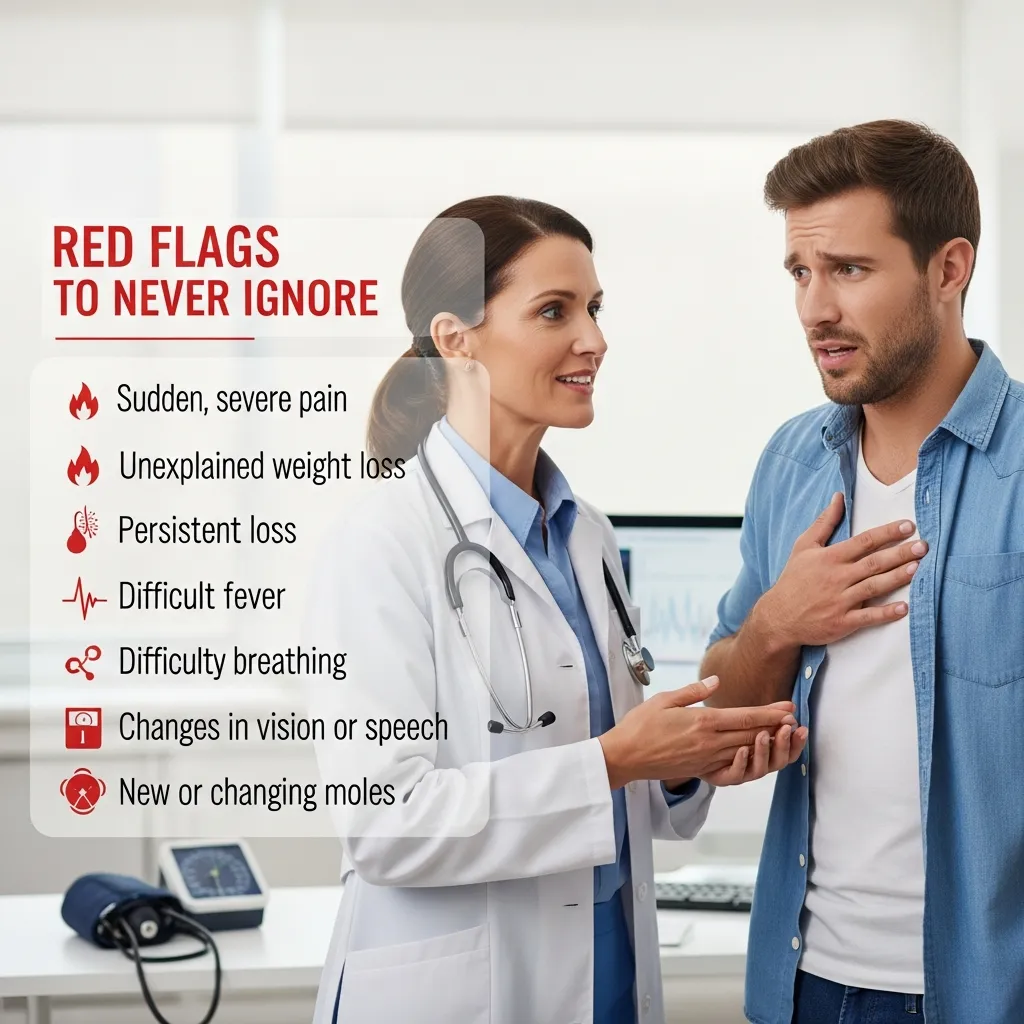 The most critical skill in using the WebMD Symptom Checker is knowing when to bypass the tool entirely and seek immediate emergency care. Certain symptoms indicate life-threatening emergencies where every minute counts. Never delay professional medical intervention if you experience any of the following warning signs.
Cardiovascular and Respiratory Emergencies
Chest pain should always trigger an immediate call for emergency services. This includes a feeling of heavy pressure, squeezing, or fullness in the center of the chest. If this pain radiates to your arm, back, neck, jaw, or stomach, the risk of a severe cardiac event is exceptionally high.
Similarly, sudden and severe shortness of breath requires immediate attention. If you are gasping for air, unable to speak in full sentences, or notice a bluish tint to your lips or face, you must seek emergency care. Do not waste time typing these symptoms into a digital tool.
Neurological Warning Signs
The brain controls every vital function in the body. Any sudden disruption to neurological function requires immediate evaluation to prevent permanent damage. Watch for the sudden onset of numbness or weakness, particularly if it affects only one side of your face or body.
Other neurological red flags include sudden confusion, severe difficulty speaking or understanding speech, and a sudden, severe headache with no known cause. These are classic indicators of a stroke. Time is brain tissue, and rapid medical intervention is the only way to mitigate severe long-term disability.
Severe Abdominal Pain and Internal Bleeding
While minor stomach cramps are common, sudden, excruciating abdominal pain is a medical emergency. If your abdomen is rigid to the touch, or if the pain is accompanied by persistent vomiting, high fever, or an inability to pass gas, you may be experiencing appendicitis, a bowel obstruction, or another critical internal issue.
Additionally, any signs of significant internal bleeding must be evaluated immediately. This includes vomiting blood, coughing up substance that looks like coffee grounds, or passing black, tarry stools. These symptoms indicate severe gastrointestinal bleeding that requires urgent hospital care.
Conclusion
Navigating your personal health requires a careful balance of proactive education and professional guidance. The WebMD Symptom Checker stands out as an incredibly useful tool for translating confusing physical symptoms into organized, actionable information. By helping you prepare for doctor visits and expanding your basic medical vocabulary, it empowers you to manage your wellness with greater confidence.
Always remember that technology is an assistant, not a doctor. Use digital health platforms to inform yourself, but rely on trained medical professionals to provide definitive diagnoses and comprehensive treatment plans. By combining the convenience of digital symptom checkers with the expertise of your healthcare provider, you can make safe, rational, and highly effective decisions for your long-term health.
Frequently Asked Questions (FAQ)
1. Is the WebMD Symptom Checker completely accurate?
No digital diagnostic tool is 100% accurate. The tool provides a list of statistical possibilities based on the symptoms you enter, but it cannot replace a physical examination or the clinical judgment of a licensed physician.
2. Can the symptom checker diagnose my illness?
The tool does not provide a definitive diagnosis. It offers guidance and suggests possible conditions, but only a qualified healthcare provider can officially diagnose a medical issue.
3. Is my data private when using the WebMD Symptom Checker?
WebMD generally aggregates user data to improve their algorithms and for research purposes. Always review the platform’s privacy policy to understand exactly how your medical inputs and personal information are stored and utilized.
4. Should I use the symptom checker for my children?
Yes, you can input a child’s symptoms. Ensure you accurately enter their age and biological sex, as pediatric conditions differ significantly from adult illnesses. However, always err on the side of caution and consult a pediatrician for young children.
5. What should I do if the tool suggests a serious illness?
Do not panic. Symptom checkers often list rare, severe conditions alongside common, harmless ones. Schedule an appointment with your doctor to discuss your symptoms and get an accurate professional evaluation.
6. Can the tool check for mental health conditions?
While primarily designed for physical symptoms, the tool does include prompts for emotional and psychological symptoms like extreme sadness, anxiety, or fatigue. However, mental health evaluations are highly complex and require professional psychiatric assessment.
7. How does the WebMD algorithm differ from a Google search?
A standard search engine pulls articles based on keyword matching, which can lead to highly irrelevant and terrifying results. The symptom checker uses a structured medical algorithm to cross-reference multiple symptoms simultaneously, providing a more focused list of possibilities.
8. Will the symptom checker tell me what medication to take?
The tool may provide general information about how certain conditions are typically treated, including over-the-counter options. It will not prescribe medication. You must consult a pharmacist or doctor before starting any new treatment.
9. Why does the tool ask for my age and gender?
Many diseases are statistically more common in specific age groups and biological sexes. Providing this demographic data allows the algorithm to filter out highly unlikely conditions and improve the accuracy of its suggestions.
10. When should I skip the symptom checker?
Skip the tool entirely if you are experiencing medical emergencies such as severe chest pain, sudden numbness, difficulty breathing, or severe bleeding. Call your local emergency number immediately.
