


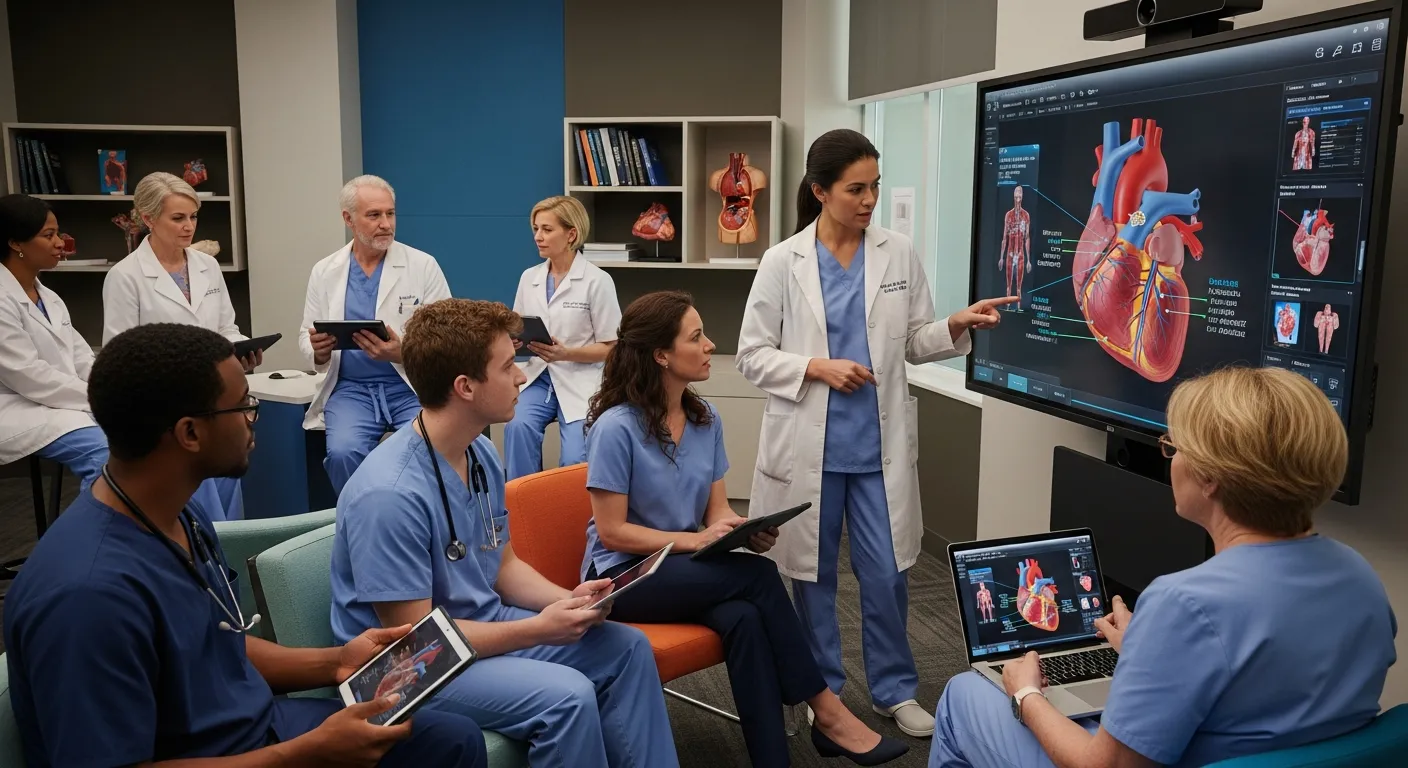
Medical Learning Platforms are online systems that provide medical education through videos, courses, simulations, and quizzes. They help students and healthcare professionals improve clinical knowledge, prepare for exams, and develop practical skills with flexible, accessible digital learning tools.
A medical learning platform centralizes clinical research, diagnostic tools, and continuing education for healthcare professionals. These platforms integrate clinical decision support, broad knowledge bases, and AI to improve diagnostic accuracy, streamline clinical workflows, and ensure evidence-based patient care across diverse healthcare settings.
Medical education no longer stops the moment a physician finishes their residency. Healthcare professionals must constantly update their knowledge to keep pace with rapid scientific advancements, new drug approvals, and evolving treatment guidelines. Relying on outdated textbooks or scattered physical journals simply cannot meet the demands of modern medicine. Doctors, nurses, and clinical staff need immediate, reliable access to validated information right at the point of care.
This ongoing need has driven the rapid adoption of the Medical Learning Platforms ecosystem. A modern Medical Learning Platforms system brings together vast libraries of peer-reviewed research, interactive diagnostic tools, and continuing education modules into one unified interface. These platforms allow medical practitioners to quickly search for complex conditions, review the latest treatment protocols, and confidently apply updated knowledge directly to patient care.
Beyond simple information access, Medical Learning Platforms also enhance clinical decision-making through AI-powered insights, virtual simulations, and case-based learning. This helps healthcare professionals practice real-world scenarios in a safe environment, improving both confidence and accuracy before applying skills in actual clinical settings.
By utilizing these comprehensive digital environments, healthcare organizations ensure their staff remain highly competent, up-to-date, and confident in delivering quality care. The shift from passive reading to active, integrated learning transforms how medical professionals approach daily challenges and patient management.
Readers of this guide will learn exactly how Medical Learning Platforms function, how they improve diagnostic accuracy, and what the future holds for artificial intelligence in personalized medical training and continuous professional development.
Why use a comprehensive medical learning platform?
 Different medical questions require different types of information. A comprehensive medical learning platform provides a structured, easily searchable environment that caters to a wide variety of clinical needs. These systems act as a central hub, connecting isolated pieces of medical data into a cohesive learning experience and improving how healthcare professionals access and apply medical knowledge in real time.
A modern medical learning platform also helps reduce information overload by organizing content into categorized modules such as clinical cases, drug databases, treatment protocols, and research updates. This ensures that users can quickly find relevant answers without wasting valuable time during clinical decision-making.
How do platforms unlock a broad clinical knowledge base?
Developing a strong foundation of medical knowledge requires consistent engagement with primary research and established guidelines. A medical learning platform achieves this by granting instant access to a broad clinical knowledge base. This means a user can type a single query and retrieve information spanning pharmacology, anatomy, pathology, and surgical procedures.
Instead of opening multiple textbooks or browsing separate websites, clinicians can access a unified system that consolidates all essential medical information. This centralized approach significantly improves learning efficiency and supports better clinical reasoning.
A well-designed medical learning platform also updates its knowledge base regularly, ensuring that healthcare professionals always have access to the latest evidence-based guidelines, drug approvals, and treatment protocols. This continuous update cycle is critical in modern healthcare, where medical standards evolve rapidly.
How does clinical decision support translate knowledge into action?
Knowing a medical fact is only half the battle. Applying that fact safely to a unique patient scenario is the true test of clinical competence. A robust medical learning platform often includes built-in clinical decision support mechanisms. These tools analyze patient data alongside established medical guidelines to offer real-time recommendations.
For example, if a physician attempts to prescribe a medication that conflicts with a patient’s known allergies, the system immediately generates an alert. It may also suggest safer alternatives and provide direct links to supporting clinical evidence.
This integration of learning and practice makes a medical learning platform not just an educational tool, but an active clinical assistant. It bridges the gap between theoretical knowledge and real-world application, improving both accuracy and patient safety.
How do modern medical learning platforms enhance continuous professional development?
Beyond decision support and knowledge access, a medical learning platform also plays a key role in continuing medical education (CME). Healthcare professionals can complete accredited courses, participate in virtual case discussions, and track their learning progress over time.
This continuous engagement ensures that clinicians remain updated with evolving standards of care. It also supports certification renewal and skill enhancement, which are essential in maintaining professional competency in a rapidly changing medical environment.
Why are AI-powered features becoming essential in medical learning platforms?
Artificial intelligence is increasingly integrated into modern medical learning platform systems to improve personalization and predictive learning. AI can recommend specific learning modules based on a user’s specialty, past performance, and clinical interests.
Additionally, AI-driven analytics help identify knowledge gaps, allowing professionals to focus on areas that need improvement. This targeted learning approach makes education more efficient and highly relevant to real-world clinical practice.
How do digital tools clarify body weakness and dizziness reasons?
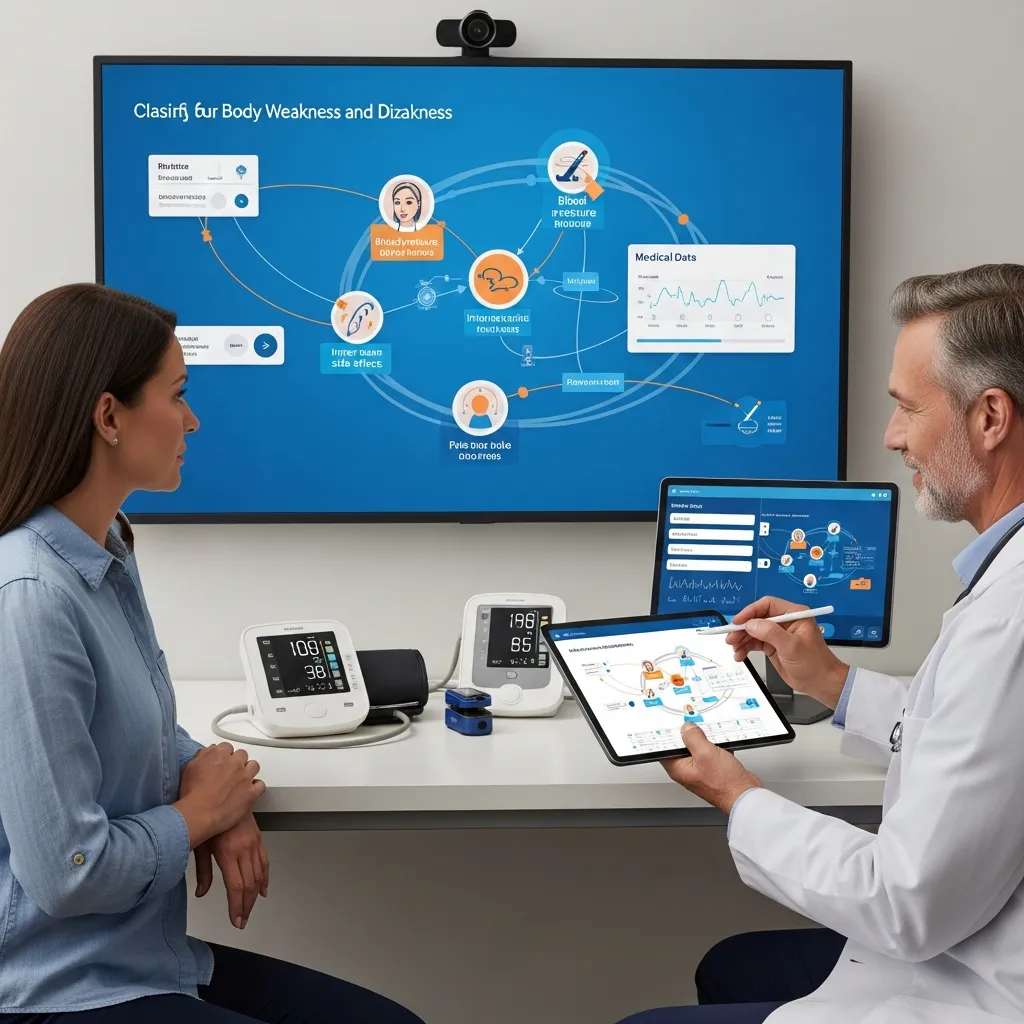 When patients present with vague or overlapping complaints, identifying the root cause becomes a complex puzzle. Medical professionals frequently encounter patients suffering from multiple non-specific symptoms that could point to dozens of different underlying conditions. Digital assessment tools help untangle these confusing presentations.
Evaluating body weakness and dizziness reasons requires a careful, methodical approach. These specific symptoms can stem from neurological issues, cardiovascular problems, metabolic imbalances, or even simple dehydration. A medical learning platform provides diagnostic algorithms that guide the clinician through a structured series of questions. It prompts the provider to check for specific neurological red flags or cardiovascular warning signs that they might otherwise overlook during a rushed consultation.
By relying on these structured digital pathways, healthcare providers can systematically rule out life-threatening emergencies. They can review case studies and peer-reviewed articles directly related to the patient’s presentation. This organized methodology prevents cognitive overload and ensures a thorough, evidence-based evaluation of every possible diagnosis.
What are the best practices for enhancing clinical practice with digital tools?
Implementing new software in a medical clinic requires careful planning. To get the most value out of a medical learning platform, healthcare organizations must understand how to leverage both their internal guidelines and external databases effectively.
Why build an internal knowledge base for clinics?
Every healthcare facility operates with its own unique set of standard operating procedures, billing codes, and patient triage protocols. A medical learning platform should accommodate this local data. Establishing a strong internal knowledge base for clinics allows administrators to upload specific clinic policies alongside global medical research.
When a new nurse joins the team, they can use the platform to learn about the clinic’s specific wound care protocols while simultaneously reviewing the latest national guidelines on infection prevention. This dual approach standardizes care across the entire facility. It reduces onboarding time and ensures that all staff members follow the exact same evidence-based practices.
How do professionals leverage external clinical research?
A reliable medical learning platform does not just rely on its own proprietary data. It actively connects users to the wider world of biomedical literature. Clinicians must stay updated with the latest trials and systematic reviews to maintain their edge.
Integrating direct access to PubMed clinical research allows doctors to pull up peer-reviewed studies instantly. The National Library of Medicine provides access to millions of citations, making it an indispensable resource for evidence-based medicine. Furthermore, platforms often link directly to patient-friendly resources. For example, doctors can seamlessly print educational handouts from MedlinePlus, a trusted service produced by the National Library of Medicine that offers health information in simple, easy-to-read language. Linking to these high-quality external resources ensures the learning platform remains dynamic and consistently aligned with global medical standards.
How will AI shape the future of personalized medical education?
The volume of medical literature published every year is staggering. No human being can read and retain it all. Artificial intelligence is stepping in to solve this problem by curating personalized educational experiences for healthcare professionals. A modern medical learning platform powered by AI is transforming how clinicians learn by delivering highly relevant, real-time knowledge based on their specialty, clinical behavior, and learning needs.
Modern AI algorithms can track a physician’s daily clinical activity, identify gaps in their knowledge, and automatically suggest relevant reading materials or training modules. If a doctor frequently treats patients with specific endocrine disorders, the AI will prioritize new research related to endocrinology in their learning feed. This level of personalization ensures that learning is not only continuous but also directly aligned with real-world clinical practice.
Beyond content recommendation, a future-ready medical learning platform will also integrate predictive learning models that anticipate what a healthcare professional needs to learn next. This proactive approach helps clinicians stay ahead of emerging diseases, updated treatment protocols, and rapidly evolving clinical guidelines.
What makes an Epic clinical knowledge base so powerful?
The future of medical learning lies in deep integration with existing hospital software. Major electronic health record (EHR) systems are already moving in this direction. Building an Epic clinical knowledge base integrates continuing medical education directly into the patient chart.
When a doctor opens a patient file, the integrated system can recognize the patient’s rare condition and automatically display a brief, educational summary of the disease. It provides links to active clinical trials and current treatment protocols without forcing the doctor to open a separate application. This frictionless delivery of knowledge represents the ultimate goal of the digital medical learning platform.
Such integration significantly reduces cognitive load on healthcare providers, allowing them to focus more on patient interaction rather than searching for information. It also ensures that every clinical decision is supported by the most up-to-date evidence, improving safety and reducing medical errors.
Empowering Healthcare Professionals Through Continuous Learning
The practice of medicine is intrinsically linked to the pursuit of knowledge. Providing high-quality patient care demands a commitment to lifelong learning and a willingness to adapt to new scientific discoveries. A medical learning platform provides the essential infrastructure needed to support this continuous professional development.
By centralizing vast databases, offering real-time diagnostic support, and utilizing artificial intelligence to personalize education, these platforms remove traditional barriers to medical research and training. Healthcare professionals can access structured learning pathways, interactive case simulations, and updated clinical guidelines all in one place.
Furthermore, advanced medical learning platform systems are increasingly incorporating virtual reality (VR) and simulation-based training, allowing clinicians to practice complex procedures in a risk-free environment. This hands-on learning approach improves skill retention and builds clinical confidence before real-world application.
The future impact on healthcare systems
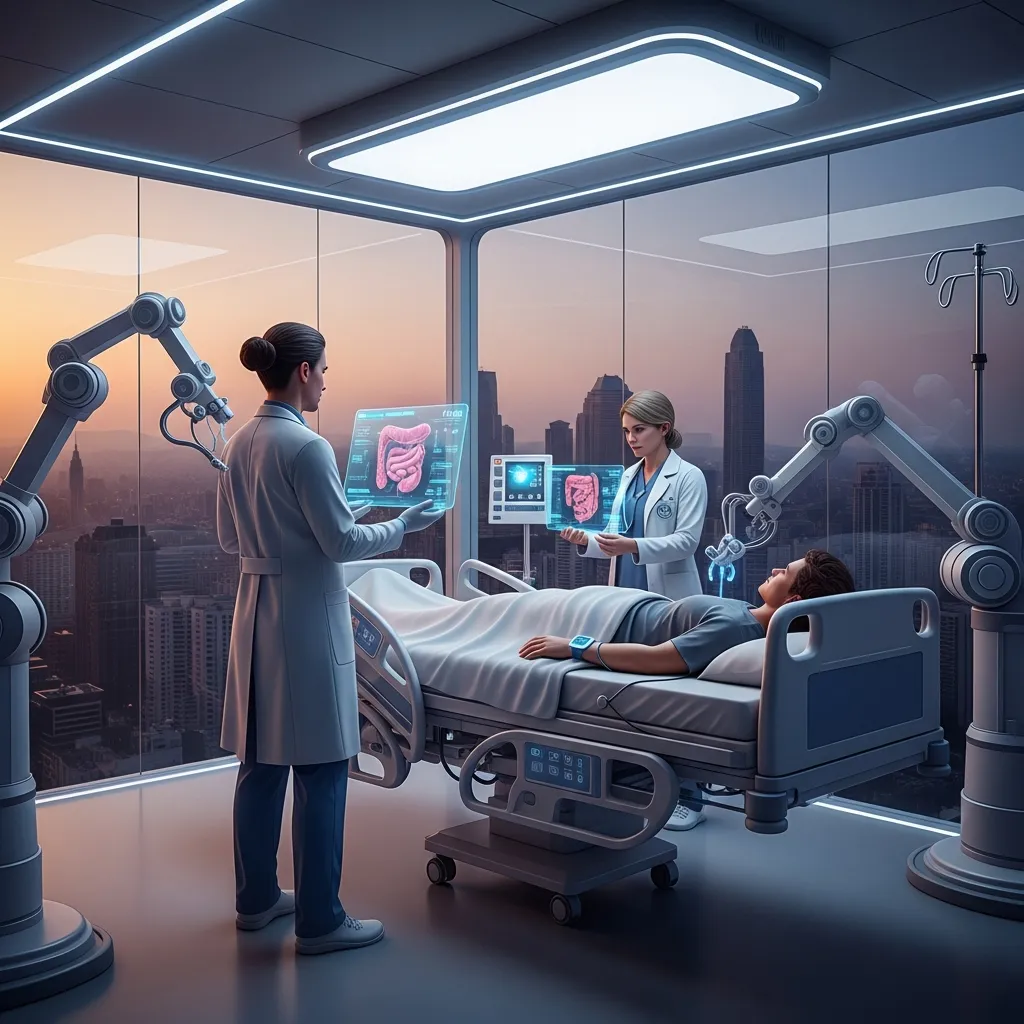 As adoption increases, healthcare systems that integrate AI-powered learning platforms will see measurable improvements in patient outcomes, operational efficiency, and clinical accuracy. Hospitals will benefit from reduced diagnostic errors, faster onboarding of new staff, and more consistent adherence to treatment protocols.
These platforms will also help bridge global healthcare disparities by providing equal access to high-quality medical education across different regions, including underserved and remote areas.
Conclusion
Medical learning platforms have become essential tools in modern healthcare by combining clinical knowledge, research data, and advanced technologies into a single, accessible system. They support healthcare professionals in improving diagnostic accuracy, staying updated with medical advancements, and delivering evidence-based patient care. With features like clinical decision support, AI integration, and continuous education modules, these platforms enhance both learning and real-world clinical performance. Ultimately, medical learning platforms bridge the gap between education and practice, ensuring better outcomes for patients and more confident decision-making for healthcare providers.
Frequently Asked Questions (FAQ)
1. What is a medical learning platform?
A medical learning platform is a digital software ecosystem designed to provide healthcare professionals with access to medical research, diagnostic tools, clinical guidelines, and continuing education modules in one centralized location.
2. Who benefits most from these platforms?
Physicians, nurses, medical students, and clinic administrators all benefit significantly. These tools help practitioners make accurate diagnoses and assist administrators in standardizing clinic protocols and onboarding new staff.
3. How do these platforms improve patient safety?
They improve safety by integrating clinical decision support tools that alert providers to potential medication errors, adverse drug interactions, and outdated treatment plans before they affect the patient.
4. Can a learning platform integrate with an EHR?
Yes. Many modern medical learning platforms integrate directly with electronic health records (EHR) like Epic, allowing clinicians to access relevant medical literature and educational prompts directly within a patient’s digital chart.
5. Do these platforms replace professional medical judgment?
No. A medical learning platform is an educational assistant and a reference tool. It provides statistical probabilities and evidence-based guidelines, but it cannot replace the nuanced clinical judgment and physical examination skills of a licensed healthcare provider.
6. Are medical learning platforms updated regularly?
Yes. Most platforms are continuously updated with the latest clinical research, drug approvals, and treatment guidelines to ensure accurate and current medical information.
7. Do these platforms support medical certification or CME credits?
Many medical learning platforms offer Continuing Medical Education (CME) courses that help healthcare professionals maintain licenses and earn certification credits.
8. Can students use medical learning platforms effectively?
Yes. Medical students benefit greatly from interactive learning tools, case studies, quizzes, and visual simulations that improve understanding of complex medical concepts.
9. Are medical learning platforms accessible on mobile devices?
Most modern platforms are cloud-based and accessible on smartphones, tablets, and computers, allowing learning anytime and anywhere.
10. How do AI features enhance medical learning platforms?
AI features personalize learning by recommending courses, identifying knowledge gaps, and supporting clinical decision-making through predictive analytics and smart insights.
