


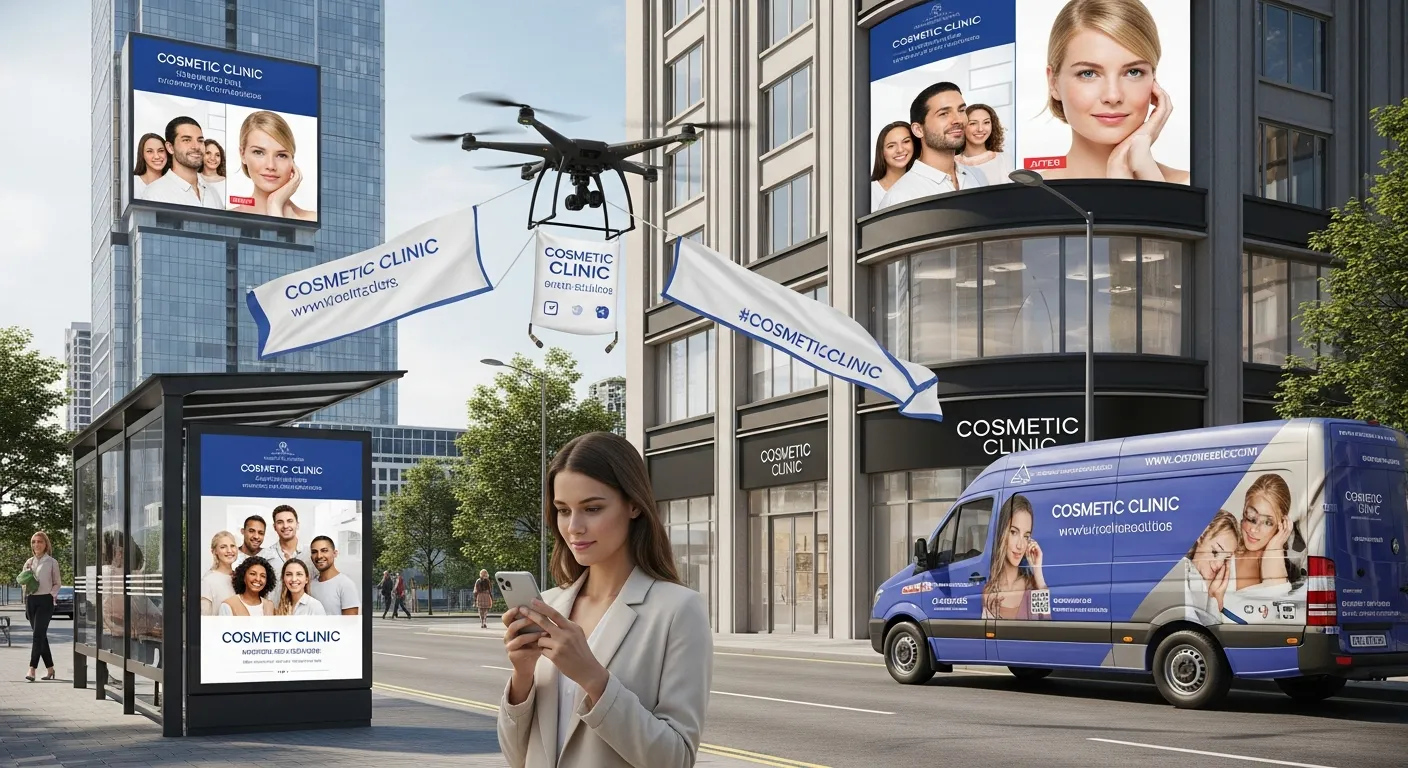
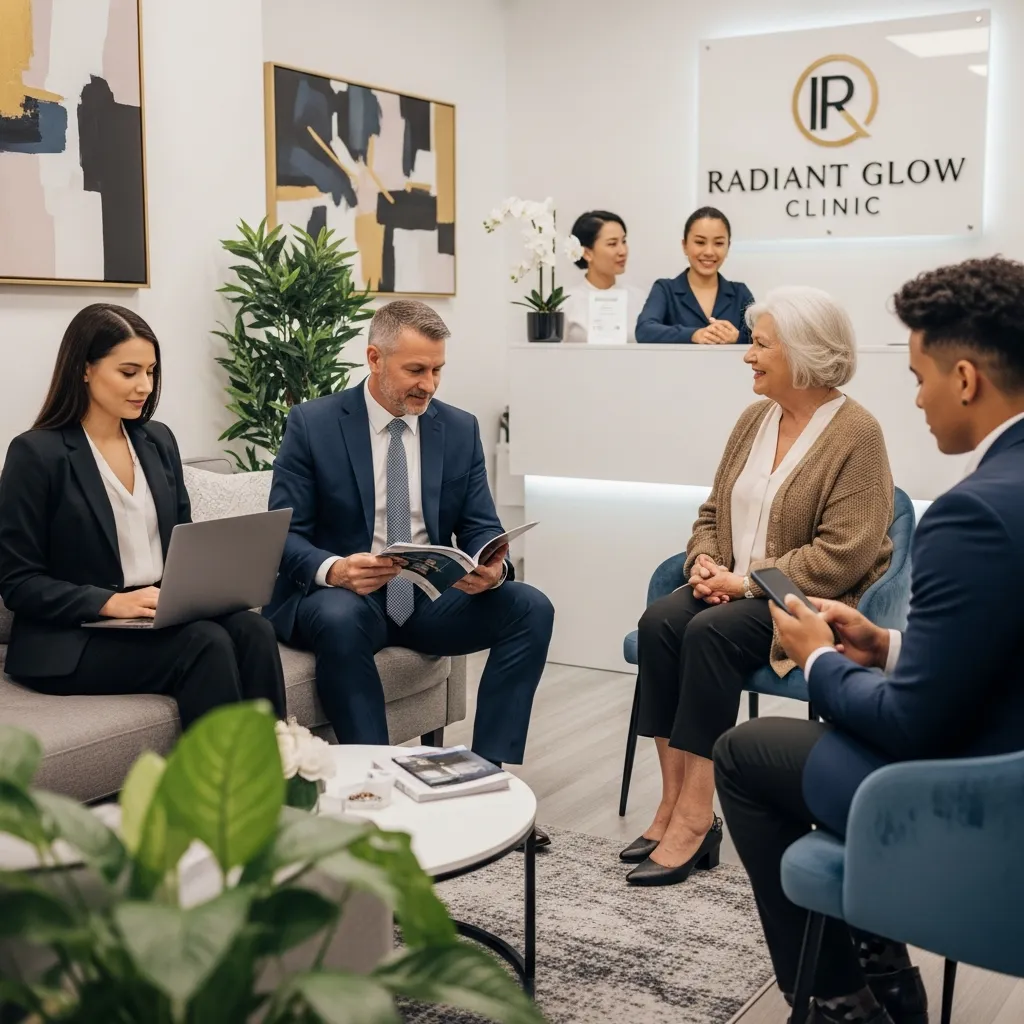
Digital channels deliver the highest return for most cosmetic clinics because they let you target people actively searching for treatments. Here are the channels worth prioritizing.
How does SEO help cosmetic clinics attract patients?
Search engine optimization (SEO) helps your clinic appear when potential patients search for treatments online. When someone types “Botox near me” or “best laser clinic in [city],” strong SEO puts your clinic at the top of the results.
On-page SEO focuses on your website itself. Create dedicated pages for each treatment you offer, write clear service descriptions, and use relevant keywords naturally in your headings and copy. Fast loading speeds, mobile-friendly design, and clear contact information all improve your rankings.
Local SEO is critical for cosmetic clinics, since nearly all patients come from your surrounding area. Claim and optimize your Google Business Profile, keep your name, address, and phone number consistent across all listings, and gather positive reviews. Local SEO often delivers the best return of any marketing channel for cosmetic clinics because the traffic it brings is ready to book.
Off-page SEO builds your site’s authority through backlinks from reputable sources, local directories, and partnerships. The more trusted sites that link to you, the more search engines trust your clinic.
Choose SEO as a priority if you want sustainable, long-term growth and you’re willing to wait a few months for results to build. For clinics that need bookings immediately, pair SEO with paid advertising.
How should cosmetic clinics use social media marketing?
Social media is where cosmetic clinics shine, because aesthetic results are highly visual. The right platform depends on your audience.
- Instagram is the top channel for cosmetic clinics. Use it for before-and-after photos, treatment videos, Reels, and Stories that show your work and personality.
- Facebook reaches an older demographic and works well for community building, reviews, and detailed paid advertising.
- TikTok is ideal for reaching younger clients with short, educational, and behind-the-scenes content.
A strong content strategy mixes three types of posts: results (before-and-after images and videos), social proof (testimonials and reviews), and education (myth-busting, treatment explainers, and aftercare tips). Educational content builds trust and positions you as the expert, while results content drives inquiries.
Paid social advertising lets you target users by location, age, interests, and behavior. Even a modest budget can fill appointment slots when paired with compelling visuals and a clear call to action. Always follow each platform’s advertising rules for cosmetic content, as before-and-after images sometimes face restrictions.
Why is content marketing valuable for cosmetic clinics?
Content marketing builds trust and improves your search rankings at the same time. By answering the questions your patients ask, you become the go-to resource in your area.
Blog posts and articles—like a guide to recovery after a specific treatment—attract organic traffic and keep visitors on your site longer. Video marketing is especially powerful in this industry; treatment walkthroughs, FAQ videos, and patient testimonials on YouTube and short-form platforms help nervous patients feel comfortable before they ever call.
E-books and downloadable guides, such as “Your First Botox Appointment: What to Expect,” also work as lead magnets. Offer them in exchange for an email address to grow your list while educating potential patients. The same principles that make educational platforms valuable in healthcare apply here—people trust providers who teach rather than just sell, much like the online medical learning platforms that succeed by prioritizing clear, evidence-based education.
How can email marketing increase repeat bookings?
Email marketing is one of the most cost-effective channels for cosmetic clinics, especially for keeping existing patients coming back. Cosmetic treatments often require maintenance, so a well-timed email can turn a one-time client into a loyal regular.
Start by building an email list through your website, consultations, and lead magnets. Then segment your audience based on the treatments they’ve had or shown interest in. Someone who booked filler should receive different content than a first-time skincare client.
Use email for newsletters, seasonal promotions, appointment reminders, and post-treatment care tips. A reminder that it’s time for a touch-up, paired with a small incentive, can fill your calendar without spending a cent on ads.
Are Google Ads worth it for cosmetic clinics?
Yes—Google Ads (PPC) is one of the fastest ways to get in front of patients ready to book. Unlike SEO, which takes time, paid search puts your clinic at the top of results immediately.
Google Search Ads capture high-intent searches like “lip filler near me.” Display advertising keeps your brand visible across websites your audience visits. Retargeting campaigns re-engage people who visited your site but didn’t book, gently reminding them to take the next step.
Choose Google Ads if you need bookings quickly or you’re launching a new service. The trade-off is cost—cosmetic keywords can be expensive—so track your return carefully and refine your campaigns over time.
Do Traditional Marketing Channels Still Work for Cosmetic Clinics?
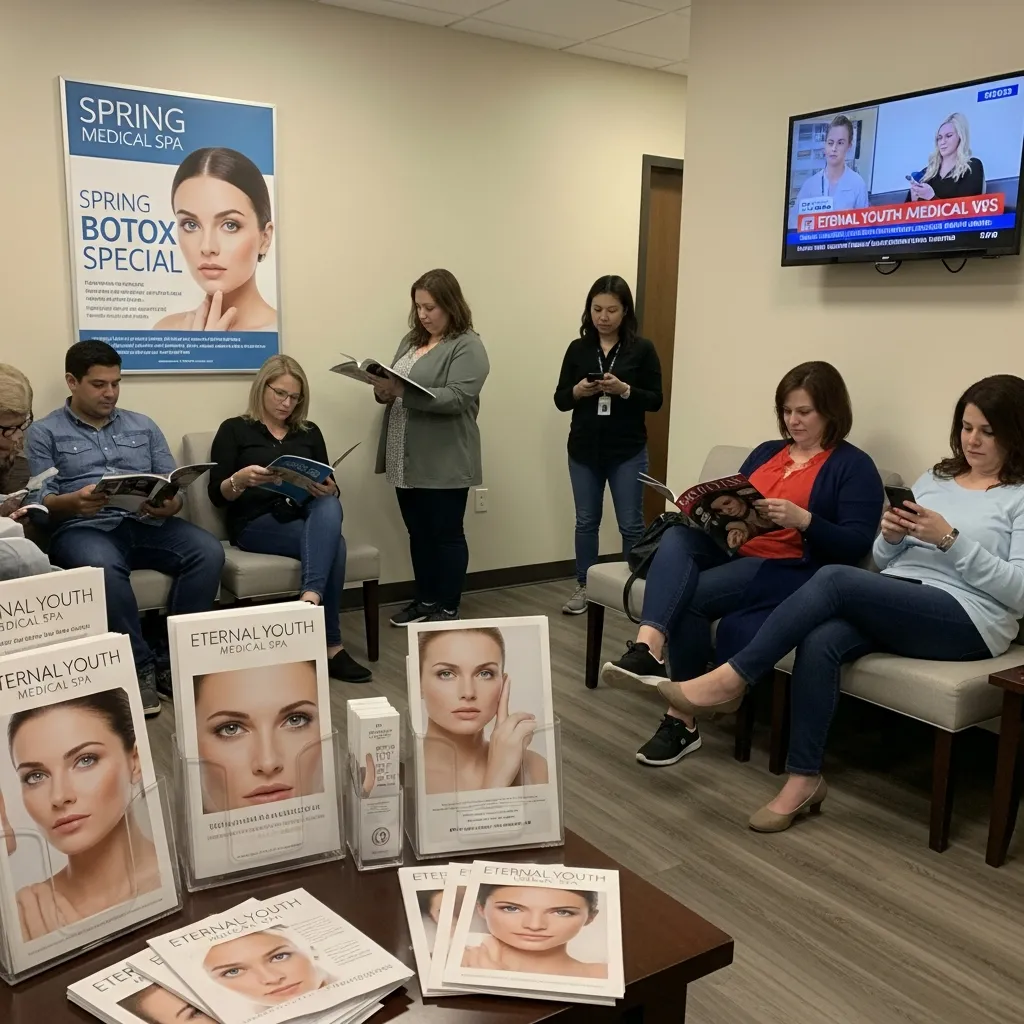 Digital dominates, but traditional channels still have a place, especially for building local presence and trust.Local partnerships and collaborations with gyms, salons, boutiques, and wellness brands connect you with audiences that already value self-care. Cross-promotions and referral arrangements can bring in steady, qualified leads.
Print advertising in niche local magazines—think lifestyle, wedding, or luxury publications—can still reach affluent local readers who match your ideal patient.
Events and workshops, such as an open house with live demonstrations or a skincare seminar, let potential patients meet your team and experience your clinic firsthand. These build trust faster than almost any online tactic.
How Do You Build a Strong Online Presence and Reputation?
Your marketing channels only work if they lead to a credible, professional online presence. Reputation is everything in cosmetic care.
Your website design and user experience form the first impression. A clean, mobile-friendly site with easy online booking, clear pricing guidance, and reassuring photography converts visitors into patients. Slow, cluttered, or outdated sites push people straight to your competitors.
Online reviews and testimonials carry enormous weight. Most prospective patients read reviews before booking, so actively request feedback from happy clients and respond professionally to every review—positive or negative.
Reputation management means monitoring what’s said about your clinic online and addressing concerns quickly. A thoughtful response to a negative review often impresses readers more than a flawless rating, because it shows you care.
How Do You Measure and Optimize Your Marketing Efforts?
You can’t improve what you don’t measure. Tracking your results tells you which channels deserve more budget and which to cut.
Key performance indicators (KPIs) for cosmetic clinics include cost per lead, cost per booking, conversion rate, return on ad spend, and patient lifetime value. These numbers reveal which channels actually generate revenue, not just clicks.
Use analytics tools like Google Analytics, Google Business Profile insights, and the reporting built into each social platform to track performance. Connect your booking system so you can trace each appointment back to its source.
Finally, commit to A/B testing and continuous improvement. Test different ad images, headlines, email subject lines, and landing pages. Small, ongoing tweaks compound into significant gains over time. The most successful clinics treat marketing as an ongoing experiment, not a one-time setup.
How Do You Optimize Cosmetic Clinic Content for AI Search?
AI tools like ChatGPT and Google’s AI Overviews are increasingly changing how patients discover healthcare providers. Instead of typing traditional search queries, users now ask direct questions and receive instant answers. To stay visible in this evolving landscape, applying the best marketing channels for cosmetic clinics also means optimizing content for AI-driven search systems.
Structure your content in a clear and organized way so AI systems can easily understand, extract, and reference it. Use descriptive headings, answer common patient questions directly, and write concise, self-contained statements that remain meaningful even when taken out of context. Always clearly mention your treatments, clinic name, and location instead of relying on vague or generic wording.
Semantic SEO and entity-based optimization are also essential. Connect related concepts such as treatments, skin conditions, patient outcomes, and geographic location to help search engines understand your services more accurately. This improves your chances of appearing in AI-generated responses and featured search summaries.
By combining AI optimization with the best marketing channels for cosmetic clinics, such as local SEO, social media, and paid ads, you create a stronger digital presence. This ensures your clinic is not only visible in traditional search results but also recommended by modern AI search tools when potential patients are actively looking for cosmetic treatments.
Bringing Your Cosmetic Clinic Marketing Together
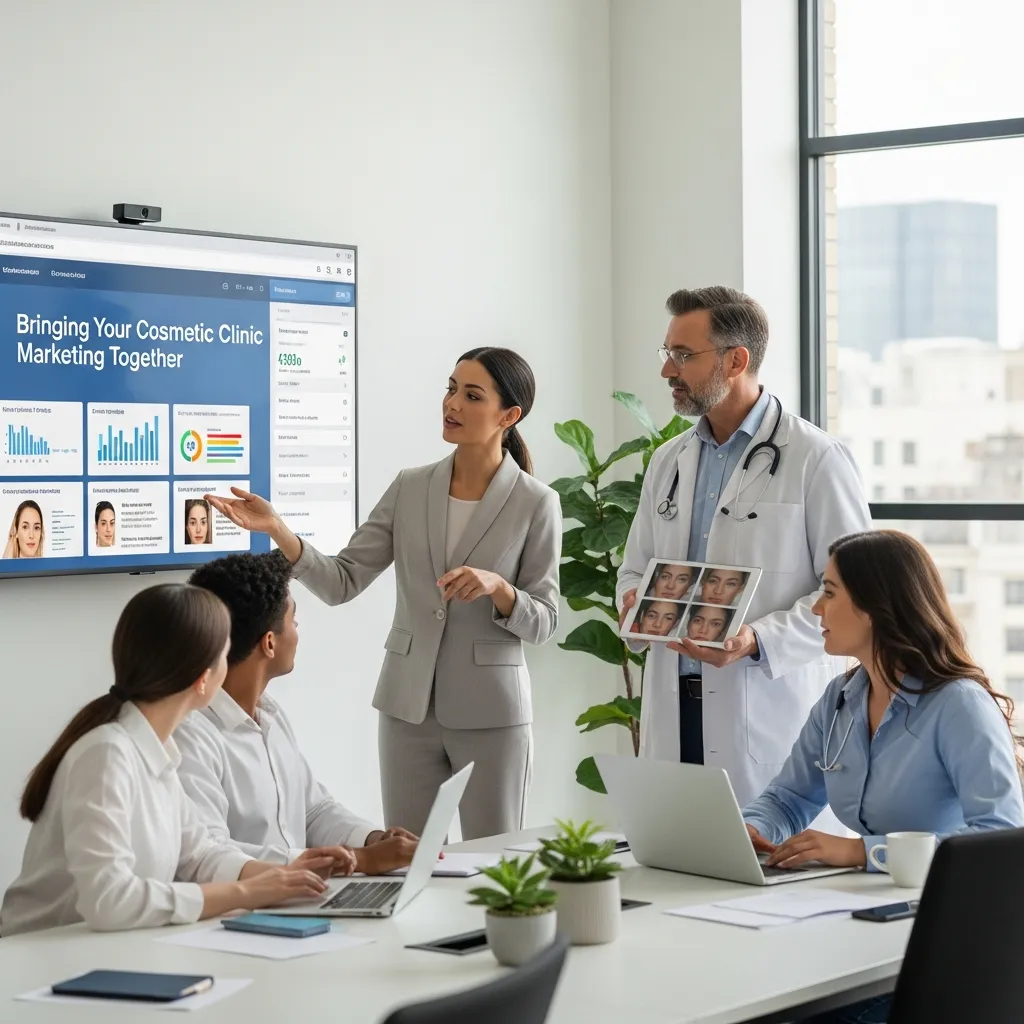 The best marketing channels for cosmetic clinics aren’t found in a single platform—they work as a connected system. Local SEO and Google Ads capture patients searching right now. Social media and content marketing build trust and keep your clinic top of mind. Email turns one-time visitors into loyal regulars, while reviews and a polished website seal the deal.
A multi-channel approach wins because patients rarely book on first contact. They might discover you on Instagram, read your reviews, visit your website, then finally click a Google Ad before booking. Each channel reinforces the others.
Looking ahead, cosmetic clinic marketing will lean more heavily on video, personalization, and AI-driven search. Clinics that invest now in strong content, genuine patient relationships, and clear measurement will be best positioned to grow. Start with one or two channels you can execute well, track your results, and expand from there. For more on how digital tools are reshaping healthcare communication, explore the medical learning platforms and Mayo Clinic Health System resources that show how patient-centered, education-first approaches build lasting trust.
To dig deeper into the data behind your campaigns, the Google Marketing Platform and Meta for Business both offer free tools and guides for clinics getting started.
1. What is the most effective marketing channel for a new cosmetic clinic?
Local SEO and Google Ads are usually the most effective best marketing channels for cosmetic clinics, because they reach people actively searching for treatments in your area. Pair them with an active Instagram presence to build trust and showcase results.
2. How much should a cosmetic clinic spend on marketing?
Most cosmetic clinics invest between 7% and 15% of revenue in marketing, with newer clinics spending more to build awareness. Start with a sustainable budget, track performance, and reinvest in the best marketing channels for cosmetic clinics that generate the most bookings.
3. How long does SEO take to work for a cosmetic clinic?
SEO typically takes three to six months to show meaningful results, depending on competition. Since SEO is one of the best marketing channels for cosmetic clinics, it should be combined with paid ads for faster patient acquisition.
4. Is Instagram or TikTok better for cosmetic clinics?
Instagram is generally stronger for cosmetic clinics because it aligns better with the typical patient demographic and visual content style. However, both platforms are part of the best marketing channels for cosmetic clinics when used strategically.
5. Are Google Ads or social media ads better for cosmetic clinics?
Google Ads capture high-intent patients ready to book, while social media ads build awareness. The best marketing channels for cosmetic clinics usually combine both for maximum effectiveness.
6. How important are online reviews for cosmetic clinics?
Online reviews are extremely important because they strongly influence trust and booking decisions. They support the effectiveness of the best marketing channels for cosmetic clinics by improving credibility and conversion rates.
7. Can a cosmetic clinic succeed with only social media marketing?
Social media alone is not enough for long-term stability. A full strategy using the best marketing channels for cosmetic clinics—including SEO, ads, and email marketing—creates more consistent and scalable growth.
8. What content should a cosmetic clinic post on social media?
Post before-and-after results, testimonials, educational content, treatment videos, and behind-the-scenes insights. These support the best marketing channels for cosmetic clinics by building trust and engagement.
9. How do I measure if my cosmetic clinic marketing is working?
Track cost per booking, conversion rates, ROI, and patient lifetime value. Measuring results across the best marketing channels for cosmetic clinics helps identify what drives real appointments.
10. Do traditional marketing methods still work for cosmetic clinics?
Yes, traditional methods like local partnerships and events still work, especially when combined with digital strategies. They complement the best marketing channels for cosmetic clinics by strengthening local trust.
