


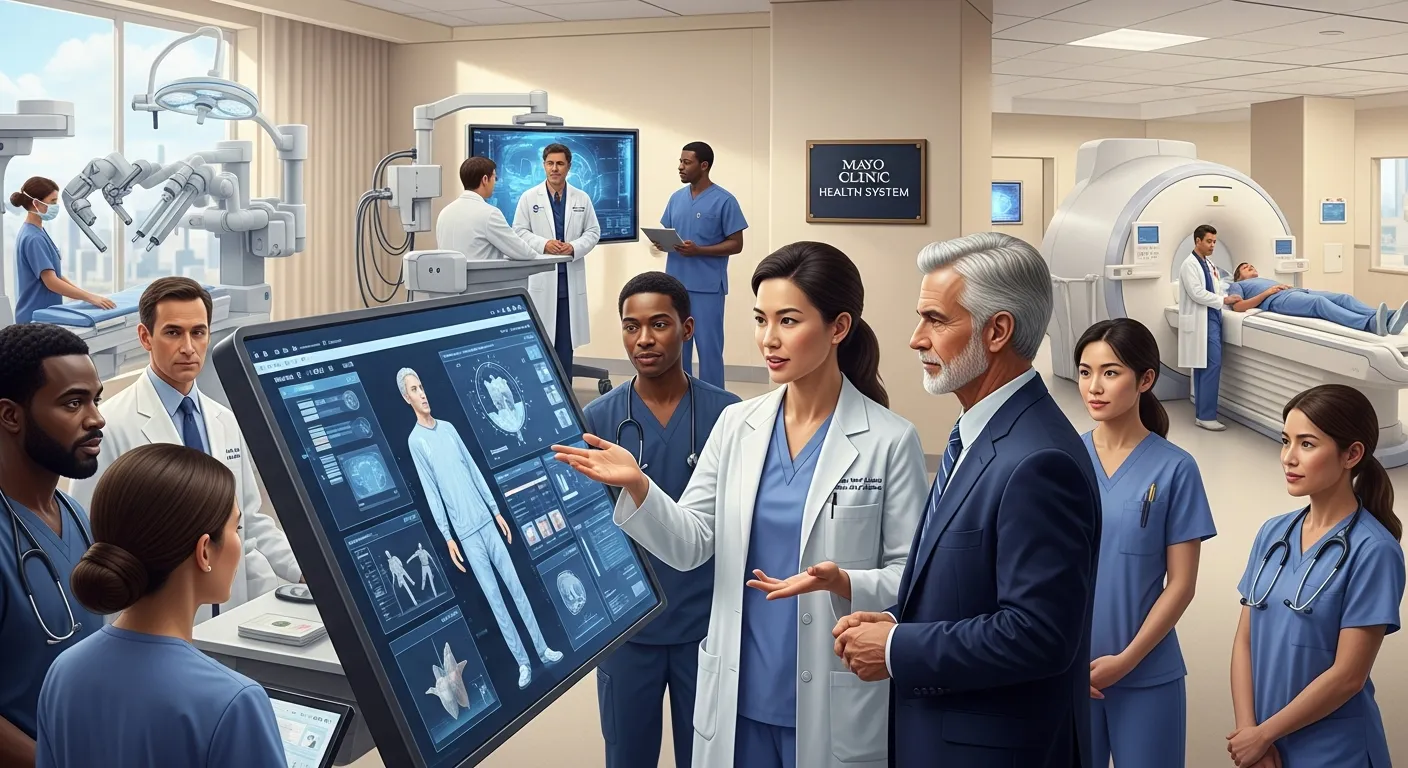
Mayo Clinic Health System is a network of hospitals, clinics, and healthcare providers that offers high-quality, patient-centered medical care across multiple locations. It is part of the larger Mayo Clinic organization and focuses on delivering accessible healthcare services, preventive care, and specialized treatments. The system is known for its collaborative approach, advanced medical expertise, and commitment to improving patient outcomes.
Finding a medical institution that balances cutting-edge research with genuine, compassionate patient care is a monumental task. Patients often feel lost in the shuffle of large, bureaucratic hospital networks that prioritize volume over individual health outcomes. When an organization manages to seamlessly blend world-class medical expertise with a deeply personal touch, it commands attention.
The Mayo Clinic Health System represents a unique approach to modern medicine. It operates on a model that brings the high-level expertise of a globally renowned medical center directly into local communities. This allows patients to receive top-tier medical attention without having to travel hundreds of miles away from their homes and support networks. It fundamentally changes how regional healthcare is delivered, setting a new standard for clinical excellence.
By reading this comprehensive guide, you will gain a deep understanding of the Mayo Clinic Health System and its operational philosophy. We will explore its history, its community impact, and the specific services that make it a leader in the medical field. You will also learn how this organization leverages advanced technology and public health initiatives to improve patient outcomes on a massive scale.
The Mayo Clinic Model of Care
 The foundation of the Mayo Clinic Health System is built upon a highly collaborative and structured approach to treating patients. This model ensures that every individual receives comprehensive attention from a unified team of experts rather than fragmented advice from isolated specialists.
Integrated Practice and Team-Based Approach
At the core of this system is the integrated practice model. When a patient enters the Mayo Clinic Health System, they are not just seeing a single doctor. They are gaining access to an entire network of specialists who actively collaborate on their case. This team-based approach means that an oncologist, a surgeon, and a primary care physician will literally sit in the same room—or connect digitally—to discuss the best course of action for a complex diagnosis.
This collaboration eliminates the common frustration of carrying medical records from one clinic to another. The physicians share a single, unified view of the patient’s health. It creates a seamless flow of information that drastically reduces medical errors and accelerates the path to an accurate diagnosis. Developing a broad clinical knowledge base across all departments allows the entire team to make highly informed, cohesive decisions that prioritize the patient’s immediate and long-term needs.
Patient-Centered Philosophy
Every operational decision within the Mayo Clinic Health System stems from a single guiding principle: the needs of the patient come first. This is not just a marketing slogan. It is a structural mandate that dictates how appointments are scheduled, how facilities are designed, and how doctors communicate with the people they treat.
Physicians are encouraged to take the time necessary to truly listen to their patients. Appointments are often longer than the national average, ensuring that all questions are answered and that the patient fully understands their treatment options. This patient-centered philosophy extends to the administrative staff, who work diligently to minimize wait times and simplify the billing process. The goal is to reduce the anxiety and stress typically associated with medical care, allowing the patient to focus entirely on their recovery and well-being.
Research and Innovation at its Core
Medical excellence requires a relentless pursuit of new knowledge. The Mayo Clinic Health System is deeply intertwined with robust scientific research. Physicians and scientists work side-by-side to translate laboratory discoveries into practical, life-saving treatments.
Clinicians within the network regularly rely on advanced PubMed clinical research to stay updated on the latest evidence-based therapies. Because research is woven directly into the clinical practice, patients often have access to groundbreaking clinical trials and experimental treatments long before they become widely available at other institutions. This commitment to innovation ensures that the standard of care is constantly evolving and improving.
Key Services and Specialties Offered by Mayo Clinic Health System
The network provides a comprehensive spectrum of medical services designed to address every stage of a patient’s life. From routine wellness checks to highly complex surgical interventions, the system is equipped to handle virtually any medical challenge.
Primary Care and Family Medicine
Strong primary care is the first line of defense in maintaining overall public health. The Mayo Clinic Health System places a heavy emphasis on family medicine, pediatrics, and internal medicine. Primary care physicians serve as the central hub for a patient’s healthcare journey, coordinating all necessary screenings, vaccinations, and routine evaluations.
These doctors build long-term relationships with individuals and entire families. By understanding a patient’s complete medical history and lifestyle, they can identify subtle warning signs early. This proactive approach to health maintenance prevents minor issues from developing into chronic, life-threatening conditions.
Specialty Care Access (Cardiology, Oncology, Orthopedics, etc.)
When a diagnosis requires highly specific expertise, the Mayo Clinic Health System provides immediate access to top-tier specialists. The network boasts world-class departments in cardiology, oncology, neurology, and orthopedics, among many others.
If a primary care physician detects an irregular heartbeat, the patient is seamlessly transitioned to a specialized cardiology team. Cancer patients benefit from comprehensive oncology programs that offer the latest in targeted chemotherapy and radiation treatments. Because these specialists operate within the same integrated network, the transition of care is smooth, fast, and highly coordinated.
Emergency and Hospital Services
Medical emergencies require rapid, decisive action. The hospitals and emergency departments within the Mayo Clinic Health System are staffed by board-certified emergency medicine physicians and highly trained trauma nurses. These facilities are equipped with state-of-the-art diagnostic imaging and surgical suites to handle critical situations instantly.
Beyond emergency care, the system offers robust inpatient hospital services. Patients recovering from major surgeries or battling severe illnesses receive round-the-clock monitoring and compassionate nursing care. The hospital environments are designed to promote healing, prioritizing cleanliness, quietness, and patient comfort above all else.
Technology and Innovation in Mayo Clinic Health System
 Modern medicine is heavily reliant on advanced technological infrastructure. The network heavily invests in digital tools that improve diagnostic accuracy, streamline administrative workflows, and expand access to care for remote populations.
Telehealth and Virtual Care
The demand for remote medical access has skyrocketed, and the Mayo Clinic Health System has rapidly expanded its telehealth capabilities to meet this need. Virtual care allows patients to consult with their physicians from the comfort and safety of their own homes using secure video conferencing technology.
This is particularly beneficial for routine follow-up appointments, mental health counseling, and chronic disease management. Telehealth eliminates the need for travel, reduces wait times, and provides a highly convenient alternative for individuals with mobility challenges. It ensures that high-quality medical advice is always just a click away.
Electronic Health Records (EHR) and Data Analytics
Data is the lifeblood of modern healthcare. The system utilizes highly sophisticated Electronic Health Records (EHR) to maintain a complete, digital history of every patient. This ensures that a doctor in a rural clinic has access to the exact same medical files as a surgeon at the main campus.
The organization leverages an advanced internal knowledge base for clinics to standardize protocols and share vital information instantly across all departments. Furthermore, data analytics are used to track community health trends and identify areas where preventative care can be improved. By analyzing vast amounts of medical data, the system can predict potential health crises and allocate resources more effectively.
Advanced Medical Technologies
The commitment to innovation is visible in every operating room and diagnostic lab within the network. Surgeons utilize robotic-assisted surgical systems to perform incredibly precise, minimally invasive procedures. These technologies result in smaller incisions, less pain, and significantly faster recovery times for the patient.
Advanced imaging technologies, such as high-resolution MRI and PET scanners, allow radiologists to detect cellular abnormalities long before physical symptoms appear. By integrating clinical decision support systems into their daily workflow, physicians receive real-time, algorithmic alerts that help prevent medication errors and highlight the most effective, evidence-based treatment pathways.
Community Engagement and Public Health Initiatives
A hospital cannot exist in a vacuum. The Mayo Clinic Health System actively engages with the communities it serves, working to improve public health outside the walls of its clinics.
Preventative Care Programs
Preventing an illness is always preferable to treating one. The organization sponsors numerous preventative care programs designed to keep communities healthy and active. These include widespread vaccination clinics, cancer screening drives, and community-wide fitness challenges.
By partnering with organizations like the Centers for Disease Control and Prevention (CDC), the system ensures that its local initiatives align with national public health goals. These proactive programs dramatically reduce the incidence of preventable diseases and lower overall healthcare costs for the community.
Health Education and Outreach
Knowledge empowers individuals to take control of their own well-being. The Mayo Clinic Health System dedicates significant resources to health education and community outreach. Medical professionals regularly host public seminars on topics ranging from heart-healthy nutrition to managing diabetes.
The network also provides robust online resources, allowing community members to access reliable, scientifically validated medical information. This educational outreach combats medical misinformation and encourages individuals to make smarter, healthier lifestyle choices on a daily basis.
Addressing Rural Health Disparities
Access to high-quality healthcare is a major challenge in many rural areas. The Mayo Clinic Health System strategically places clinics and hospitals in regional communities to bridge this gap. By bringing specialty care and advanced diagnostics closer to home, they ensure that rural populations do not have to sacrifice quality for proximity.
Through targeted investments and mobile health clinics, the organization actively works to eliminate health disparities based on geographic location. This commitment guarantees that every individual, regardless of their zip code, has access to world-class medical attention.
Patient Experience and Outcomes at Mayo Clinic Health System
The true measure of a healthcare organization is the impact it has on the people it treats. The network rigorously tracks performance metrics to ensure that it consistently delivers exceptional results.
Quality of Care and Patient Safety
Patient safety is the absolute highest priority. The Mayo Clinic Health System employs strict clinical guidelines and safety protocols to minimize the risk of hospital-acquired infections and surgical complications. Every procedure is carefully monitored, and staff members undergo continuous training to maintain their clinical edge.
This relentless focus on quality control results in clinical outcomes that consistently outpace national averages. Patients can trust that they are receiving care in an environment that heavily heavily prioritizes their physical safety and long-term recovery.
Patient Satisfaction and Testimonials
The patient experience extends far beyond the physical treatment of a disease. It encompasses how a patient feels from the moment they schedule an appointment to the day they are discharged. The network regularly surveys patients to gather feedback on their experiences.
High patient satisfaction scores reflect the compassion, empathy, and professionalism of the staff. Testimonials frequently highlight doctors who take the time to truly listen and nurses who provide comforting, personalized care during difficult times. This focus on the human element of medicine is what truly sets the system apart.
Measuring Health Outcomes
To maintain its status as a medical leader, the organization relies on strict, data-driven accountability. They track long-term health outcomes, measuring the success rates of various treatments and surgical interventions.
By analyzing this data against global benchmarks set by organizations like the World Health Organization (WHO), the Mayo Clinic Health System identifies areas for continuous improvement. This rigorous self-evaluation ensures that clinical practices remain highly effective and aligned with the best available medical science.
Challenges and Future Directions for Mayo Clinic Health System
The healthcare industry is notoriously volatile, facing shifting regulations, economic pressures, and rapidly evolving technologies. To remain effective, the organization must continuously adapt to these external forces.
Healthcare Landscape and Adaptations
An aging population and the rise of complex chronic diseases present significant hurdles for all medical providers. The Mayo Clinic Health System must continually adapt its staffing models and clinical capacities to manage an increasing volume of patients requiring long-term, intensive care. Additionally, navigating the complexities of insurance regulations and reimbursement models requires agile administrative strategies to ensure that care remains accessible and affordable.
Sustainability and Growth Strategies
Maintaining a vast network of hospitals and clinics requires substantial financial and environmental sustainability. The organization is actively pursuing green building initiatives and energy-efficient operational practices to reduce its environmental footprint. Simultaneously, careful financial stewardship and strategic investments in new facilities ensure that the system can continue to grow and serve more communities without compromising the quality of its care.
The Future of Integrated Healthcare
Looking forward, the Mayo Clinic Health System will continue to pioneer the integration of artificial intelligence and personalized medicine. Tailoring treatments based on an individual’s unique genetic makeup will soon become a standard practice. By continuing to blur the lines between clinical care, digital health, and scientific research, the organization is perfectly positioned to lead the next major evolution in global healthcare delivery.
The Enduring Impact of Mayo Clinic Health System
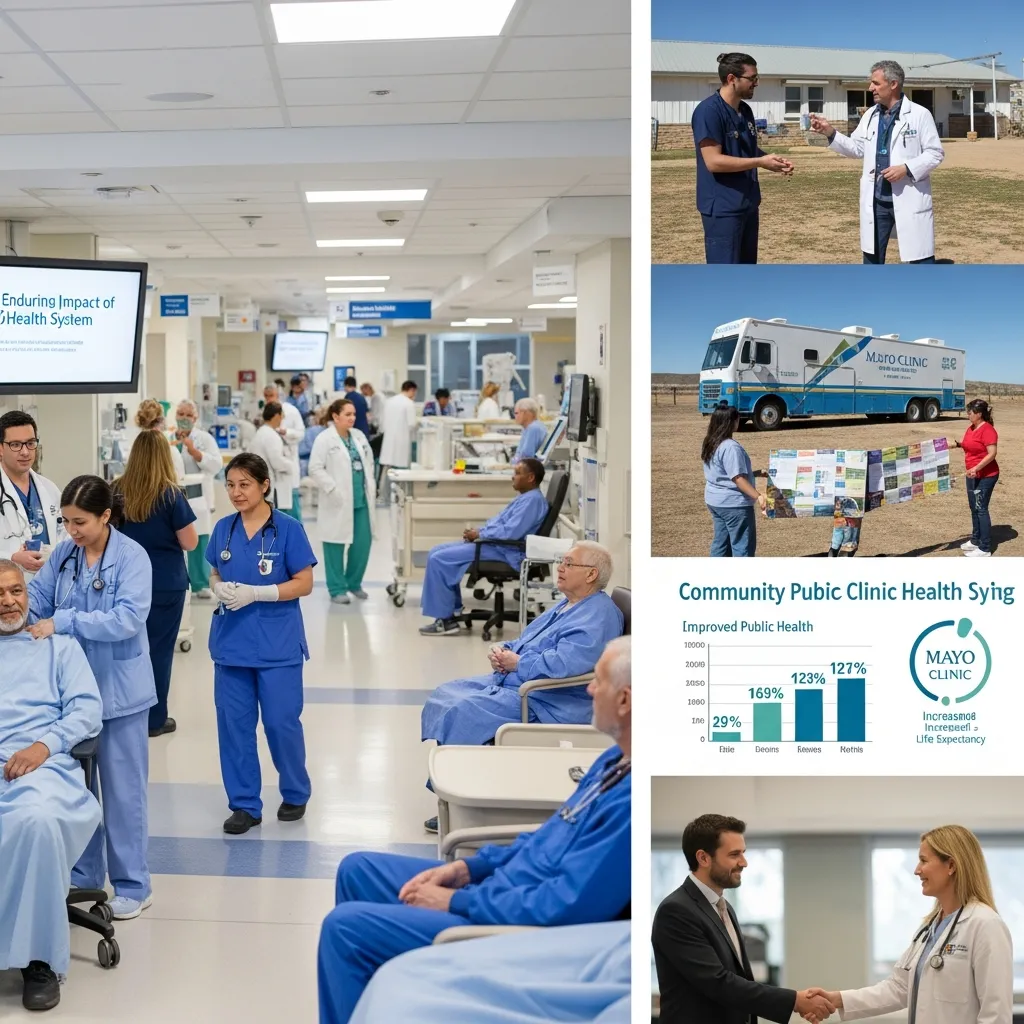 The Mayo Clinic Health System is a testament to what is possible when medical expertise, advanced technology, and deep human compassion are brought together under one unified philosophy. By prioritizing a team-based approach and placing the patient at the absolute center of every decision, it has fundamentally elevated the standard of regional healthcare.
As medical challenges grow more complex, the need for integrated, evidence-based care will only increase. Organizations that invest in robust clinical knowledge and prioritize community health will lead the charge. If you are a healthcare professional or a clinic administrator looking to elevate your own standard of care, focus on organizing your medical data and adopting advanced decision-support tools. Empower your team with the right information today, and you will build a stronger, healthier community for tomorrow.
