


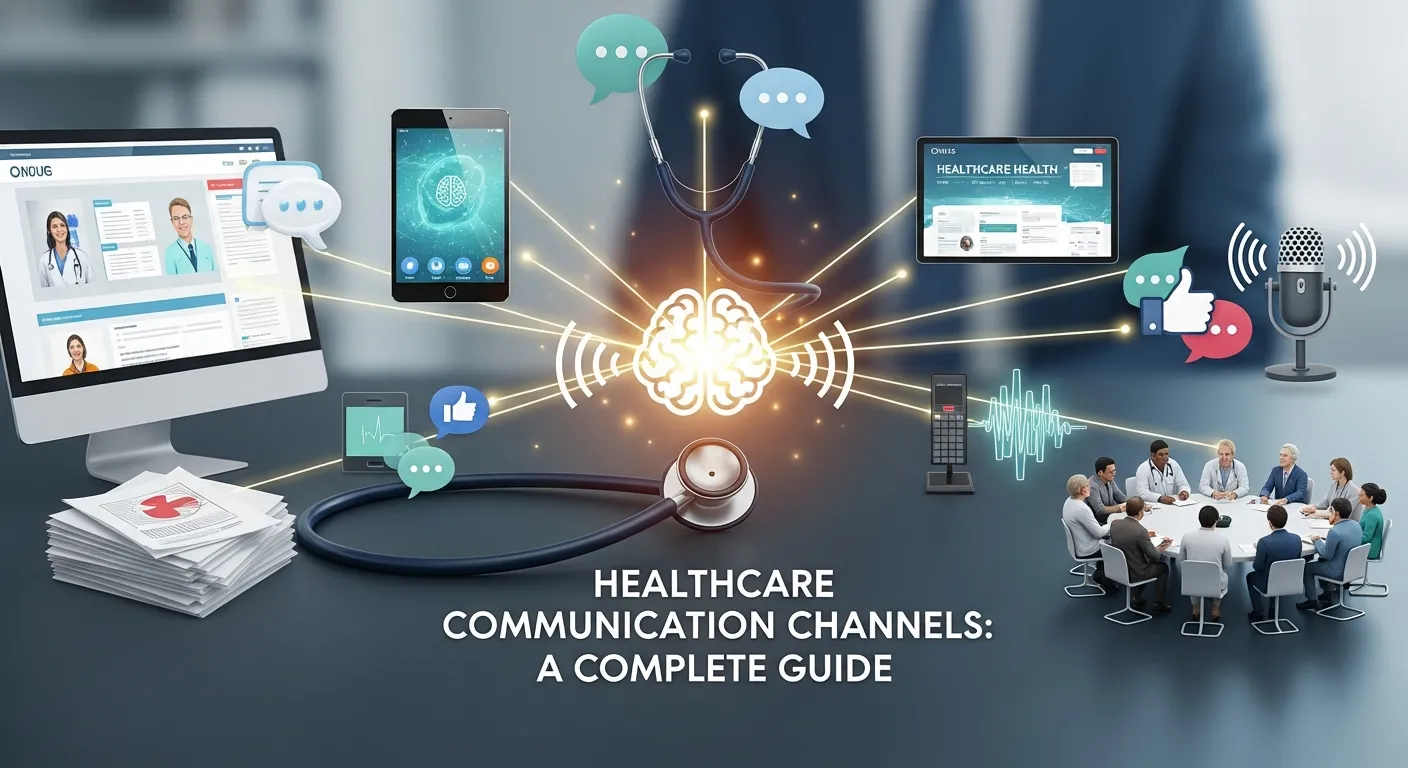
Healthcare communication channels are the methods and platforms used to share information between healthcare providers, patients, caregivers, and organizations. These channels include phone calls, emails, patient portals, mobile apps, telemedicine, social media, and face-to-face interactions, helping improve patient engagement, care coordination, and access to health information.
What are traditional healthcare communication channels?
 Traditional healthcare communication channels still form the backbone of patient care. They’ve been refined over decades and remain essential, even as digital options grow.
Why do in-person consultations still matter?
Face-to-face visits offer something no screen can fully replace: human connection. During an in-person consultation, providers read body language, notice subtle cues, and build trust through eye contact and tone. This personal touch is critical for sensitive diagnoses, complex treatment plans, and emotional support.
The downside? In-person care is time-consuming and limited by geography. Patients in rural areas may travel hours for a 15-minute appointment. Busy schedules and long wait times can also discourage people from seeking care at all.
How effective are telephone communications in healthcare?
The telephone remains a workhorse of healthcare. Clinics use it for booking appointments, answering urgent questions, and following up after treatment. For many older patients, a phone call feels more comfortable and direct than a digital alternative.
Still, phone communication has clear limits. High call volumes lead to long hold times and frustrated patients. Without visual cues, instructions can be misheard or misunderstood. And unlike written messages, phone calls leave no automatic record unless staff document them carefully.
Is written correspondence still relevant?
Letters and faxes may seem outdated, but they continue to serve a purpose in healthcare. Formal documentation, specialist referrals, and legal records often rely on written correspondence for accuracy and accountability.
That said, paper-based communication is slow, costly, and environmentally taxing. Faxes can get lost or sent to the wrong number, creating privacy risks. As digital systems mature, many practices are phasing out paper in favor of secure electronic alternatives.
What are the most important digital healthcare communication channels?
Digital channels are transforming how patients and providers interact. They offer speed, convenience, and better access to information—when used thoughtfully.
How do patient portals improve communication?
Patient portals are secure online platforms where patients manage their care. Through a portal, patients can schedule appointments, view lab results, request medication refills, and send secure messages to their care team.
The benefits are significant. Portals empower patients to take an active role in their health, reduce phone-based administrative work, and give patients 24/7 access to their records. According to the Office of the National Coordinator for Health IT, roughly 60% of individuals were offered access to a patient portal in recent years, and portal use continues to climb.
The main challenge is the digital divide. Older patients, those without reliable internet, and people with low digital literacy may struggle to adopt portals. Clinics that offer simple onboarding and support see far higher engagement.
Is email a safe channel for healthcare communication?
Email is fast, familiar, and useful for reminders, health education, and administrative updates. But in healthcare, it must be handled with care.
Standard email is not secure enough for protected health information. To stay compliant with regulations like HIPAA, providers must use encrypted, secure email systems. Choose secure email if you need a written record and your patients are comfortable with digital tools—but never send sensitive results through unencrypted channels.
Why is telehealth becoming a primary communication channel?
Telehealth and video consultations have moved from novelty to necessity. They offer convenience, accessibility, and continuity of care, especially for follow-ups, mental health support, and chronic disease management.
For remote patients, telehealth removes the burden of travel. For specialists, it expands reach beyond a single location. A patient in a small town can consult a leading expert hundreds of miles away without leaving home.
Telehealth does come with hurdles. It requires reliable internet, compatible devices, and basic tech skills. Reimbursement policies vary by region and insurer, which can complicate adoption. Even so, telehealth has become a cornerstone of modern care delivery, much like the patient-centered, technology-driven approach used by the Mayo Clinic Health System.
How do mobile health (mHealth) apps support patient communication?
Mobile health apps put care in the patient’s pocket. They track health metrics, send medication reminders, and integrate with wearables like smartwatches and fitness trackers.
These tools enable personalized health management. A diabetes app might log blood sugar readings and alert both patient and provider when levels spike. The result is more proactive, data-driven care.
The trade-off is data privacy. Health apps collect sensitive information, so app security and clear consent practices are essential. Patients should always know what data is collected and how it’s used.
Should healthcare providers use social media?
Social media is a powerful channel for public health campaigns, patient education, and community building. Hospitals run vaccination drives, share wellness tips, and host patient support groups online.
The risks are real, though. Misinformation spreads quickly, and providers must maintain professional boundaries and patient confidentiality. Social media works best for general education and outreach—not for individual medical advice. The same principles that guide cosmetic clinic marketing channels apply here: lead with trust, education, and accuracy rather than hype.
How effective is SMS and text messaging in healthcare?
Text messaging is one of the simplest and most effective healthcare communication channels. Studies show that SMS appointment reminders can reduce no-show rates significantly—some research reports drops of 25% or more.
Texts work well for reminders, quick alerts, and health tips. They’re concise, hard to ignore, and reach patients instantly. The keys to success are brevity and consent. Patients must opt in, and messages should never contain sensitive health details that could compromise privacy.
What emerging technologies are reshaping healthcare communication?
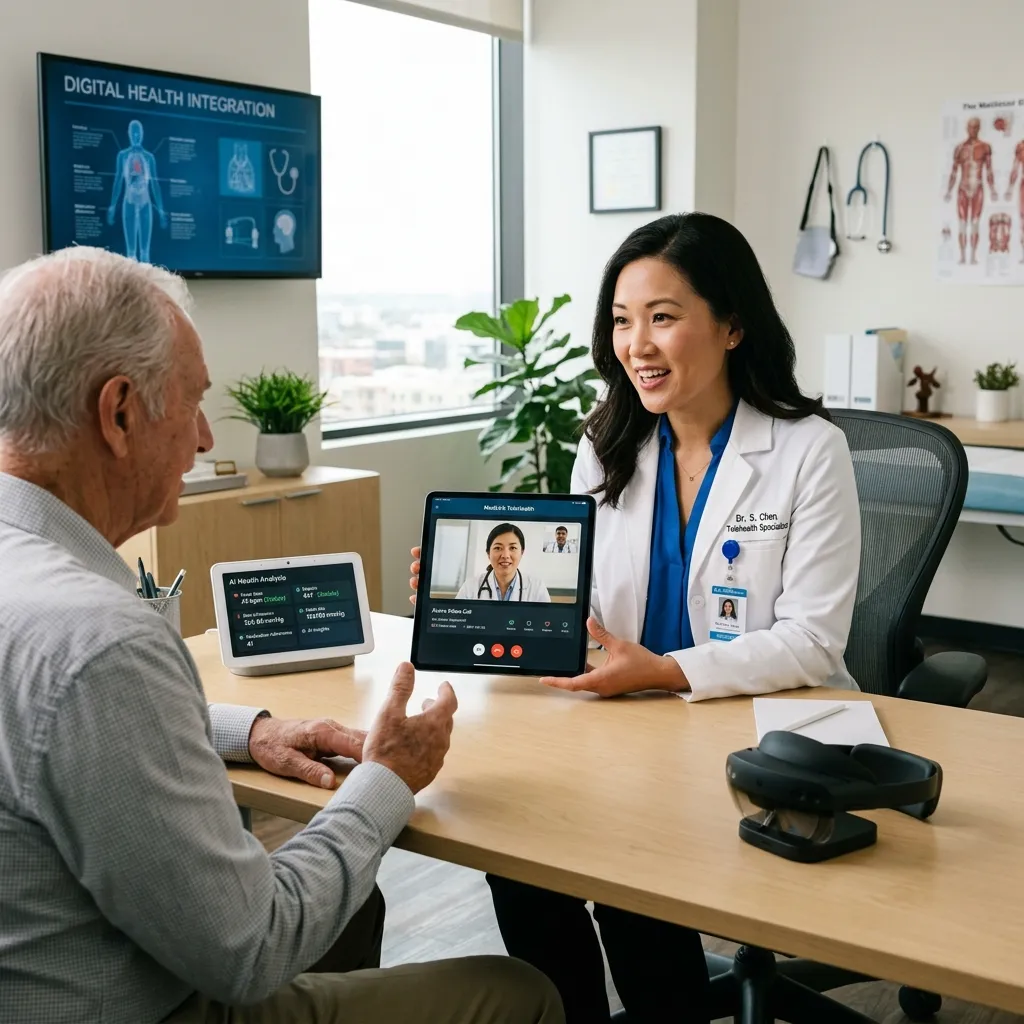 Beyond established channels, new technologies are opening fresh ways to connect with patients and deliver care.
How are AI and chatbots changing patient communication?
AI-powered virtual assistants and chatbots are handling more patient interactions every year. They answer frequently asked questions, perform basic symptom checks, and guide patients to the right resources—often around the clock.
The appeal is personalization and efficiency. A chatbot can triage hundreds of routine questions, freeing staff for complex tasks. But AI has clear limits. It cannot replace clinical judgment, and ethical concerns around accuracy and accountability mean AI should support, not replace, human providers. Healthcare professionals can build their understanding of these tools through resources like medical learning platforms that explain how AI fits into clinical practice.
What is the Internet of Medical Things (IoMT)?
The Internet of Medical Things connects medical devices to share real-time data. Wearable monitors, smart implants, and connected sensors transmit information directly to care teams.
This enables remote patient monitoring and early intervention. A connected heart monitor can flag an irregular rhythm before it becomes an emergency, allowing providers to act fast. IoMT supports proactive, preventive care—a major shift from reactive treatment.
Can virtual and augmented reality improve healthcare communication?
Virtual reality (VR) and augmented reality (AR) are no longer just for gaming. In healthcare, they support surgical planning, medical training, patient education, and even therapy.
A surgeon might rehearse a complex procedure in VR before entering the operating room. A patient might use AR to visualize how a treatment works inside their body. These immersive tools make communication more engaging and easier to understand, especially for complex concepts.
How do you optimize healthcare communication channels for better outcomes?
Choosing the right channels is only half the battle. The real value comes from using them strategically.
Why are integrated communication strategies essential?
Patients rarely use just one channel. They might book online, get a text reminder, attend a video visit, then message their provider through a portal. A fragmented system creates confusion and gaps in care.
Integrated communication ensures information flows seamlessly across channels. Electronic Health Records (EHR) act as the central hub, keeping every interaction connected and accessible. When systems talk to each other, patients get a smoother experience and providers make better decisions.
What does patient-centered communication look like?
Patient-centered communication starts with understanding individual preferences. Some patients prefer texts; others want a phone call. Some are fluent in medical terms; others need plain language.
Health literacy matters enormously. Using clear, accessible language reduces confusion and improves adherence. The best providers meet patients where they are, adjusting both the channel and the message to fit each person’s needs.
How important is staff training for communication?
Even the best tools fail without skilled people behind them. Healthcare professionals need training to communicate effectively across diverse channels, from in-person empathy to clear written messages.
Active listening, empathy, and cultural awareness are core skills. Staff who know how to use each channel well—and when to switch between them—deliver far better patient experiences. Ongoing education through online resources helps teams stay sharp.
How do you protect data security and patient privacy?
Every communication channel handling patient information must protect that data. Regulations like HIPAA in the United States and GDPR in Europe set strict standards for privacy and security.
Practical steps include encryption, secure logins, staff training, and regular audits. According to the U.S. Department of Health and Human Services, healthcare data breaches continue to rise, making strong safeguards non-negotiable. Patients trust providers with their most sensitive information, and that trust must be earned and protected.
Bringing your healthcare communication strategy together
 The best healthcare communication channels don’t work in isolation—they work as a connected system. Traditional channels like in-person visits and phone calls build trust and handle sensitive conversations. Digital channels like portals, telehealth, and SMS add speed, access, and convenience. Emerging tools like AI, IoMT, and VR push care into new territory.
Success comes from matching the right channel to the right purpose, integrating everything through a central system, and always putting the patient first. Strong data security and well-trained staff hold the whole strategy together.
Start by reviewing your current channels. Where do patients get stuck? Which channels drive the best engagement? Fix one weak point at a time, measure the results, and build from there. For more on how digital tools are transforming patient care, explore the online medical learning platform resources that show how education and technology improve outcomes.
To go deeper on standards and best practices, the World Health Organization and the HealthIT.gov offer free, authoritative guidance for healthcare organizations of every size.
Frequently Asked Questions
1. What are healthcare communication channels?
Healthcare communication channels are the methods used to share medical information between patients, providers, and staff. They include in-person visits, phone calls, written letters, patient portals, secure email, telehealth, mobile apps, social media, and text messaging.
2. Which healthcare communication channel is most effective?
No single channel is best for every situation. In-person visits work best for complex or sensitive care, telehealth excels for follow-ups and remote access, and SMS is ideal for reminders. The most effective approach combines multiple channels based on patient needs and the type of message.
3. How do patient portals improve healthcare communication?
Patient portals give patients 24/7 access to their health records, lab results, appointment scheduling, and secure messaging with their care team. This empowers patients, reduces administrative phone calls, and keeps communication organized in one secure place.
4. Is email HIPAA-compliant for healthcare communication?
Standard email is not HIPAA-compliant for protected health information. Providers must use encrypted, secure email systems to send sensitive data. Regular email can be used for general reminders and education, but never for confidential medical details.
5. How does telehealth benefit patients?
Telehealth removes travel barriers, reduces wait times, and gives patients access to specialists regardless of location. It’s especially valuable for follow-up appointments, mental health care, and managing chronic conditions from home.
6. Are text message appointment reminders effective?
Yes. SMS appointment reminders are highly effective at reducing no-show rates, with some studies reporting drops of 25% or more. Texts are concise, instant, and easy for patients to act on—provided patients have opted in.
7. What role does AI play in healthcare communication?
AI powers chatbots and virtual assistants that answer common questions, perform basic symptom checks, and guide patients to resources around the clock. AI improves efficiency but should support, not replace, human clinical judgment.
8. How can healthcare providers protect patient data across channels?
Providers protect data through encryption, secure logins, staff training, and regular security audits. Compliance with regulations like HIPAA and GDPR is essential, and patients should always understand how their information is collected and used.
9. What is patient-centered communication?
Patient-centered communication tailors both the channel and the message to each patient’s preferences and health literacy. It means using plain language, choosing the channel a patient prefers, and ensuring people fully understand their care.
10. How do I choose the right communication channels for my practice?
Start by understanding your patients’ preferences and needs. Combine traditional and digital channels, integrate them through an EHR system, prioritize data security, and train staff well. Review performance regularly and improve one channel at a time.
